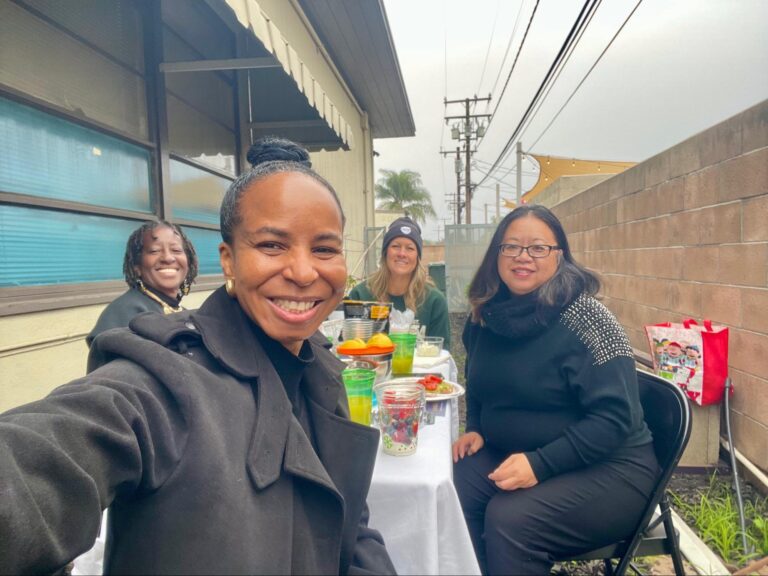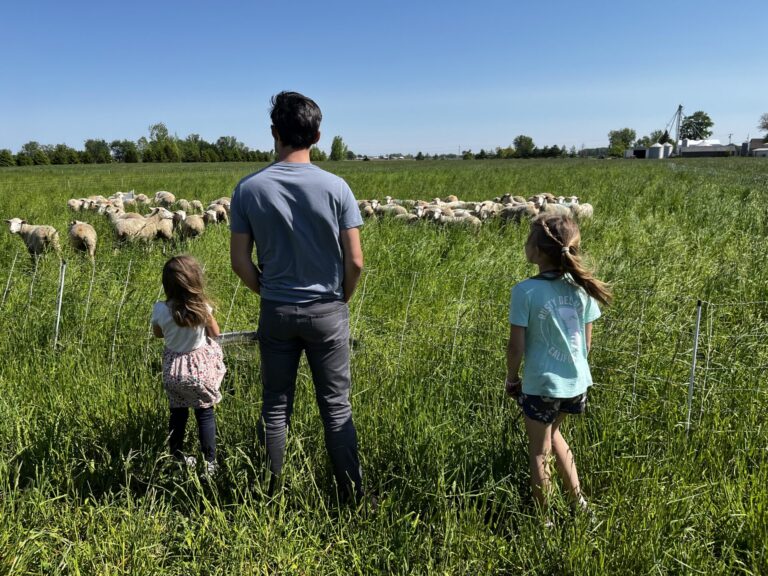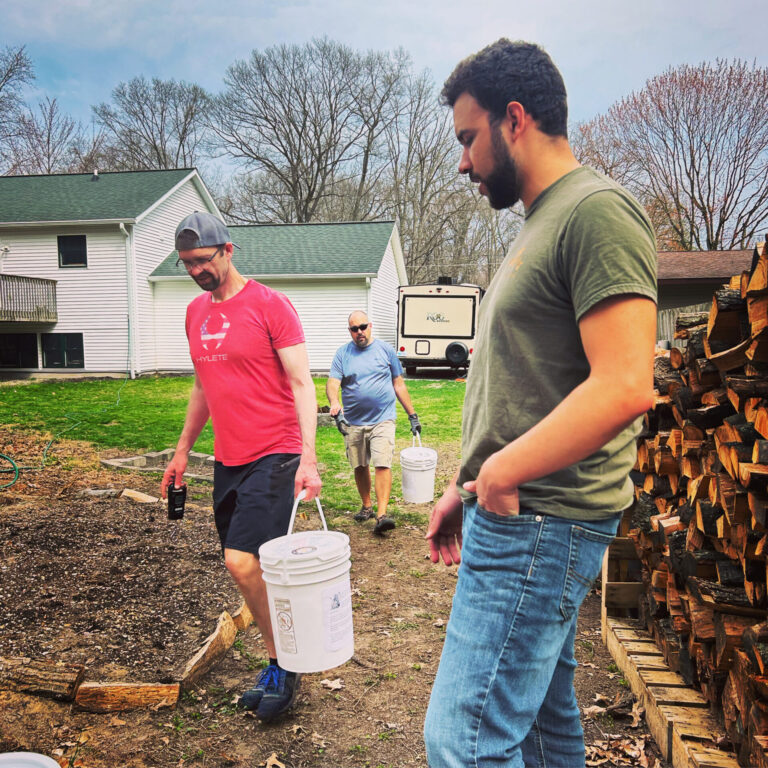


Christine’s story shows how starting a Tend group often begins with a simple desire for reconnecting with community. She already had relationships, a natural instinct for gathering people, and a vision for caring for creation alongside others. What she needed was a bit of clarity, a co-leader, and a next step she could actually take. If you are wondering whether you can start a group, begin by noticing who is already around you, who might partner with you, and what kind of shared activity could bring people together. You do not need everything figured out. You only need to take the next faithful step.
When Community Starts to Stir Again
Christine reached out because something had been stirring in her for a while. She lives in southern Indiana, in a rural area where life is hands-on and relational. She raises some of her own food, cares deeply about the health of her family, and stays connected to her church a few towns over. She is also an entrepreneur, balancing work as a health coach and house cleaner while staying rooted in her community.
A few years ago, she began gathering people. They shared meals, worked on some projects, and spent time together in ways that felt meaningful. Over time, the group slowly faded. There wasn’t clear structure, their shared rhythms were loosely holding things together, and life eventually pulled people in different directions.
Now God is doing something new again. Friends have been asking her to restart the group. The desire is returning, both in her and in others.
That is often how God begins these things.
God loves to upcycle. Relationships resurface. People reconnect. God grows a new community out of an existing community and renews the sense that something good is possible again.
Paying Attention to What Is Already There
When Christine and I talked, it was clear that she already had something important: a desire to gather people. And she had relationships where that desire could take shape.
People often assume they need a perfect plan, a charismatic program, or a large following of potential participants before they begin. In reality, what matters most at the start is paying attention to what is already present: the desire God’s put in you and the relationships that are surrounding you already.
Christine had friends who wanted to reconnect. She had a history of bringing people together. She had a setting where shared work and shared meals made sense. None of that needed to be created from nothing.
In the context of Tend, we see that groups grow out of what God is already doing in a place. The invitation is to notice, to respond, and to take a step that aligns with what God is already unfolding.
The Role of Calling and Readiness
One of the first things I look for in a conversation like this is a sense of calling. Not in a formal or heavy way, but a grounded sense that this is something the person is drawn toward.
Christine had that. She did not need to be convinced. She was not afraid. She was already exploring what it might look like to gather people again.
That matters because starting a group requires a steady presence over time. It does not require perfection, but it does ask for consistency and care. When someone already feels that pull, they are much more likely to stay with it as things develop.
If you are considering starting a Tend group, it is worth asking a simple question: Do I feel drawn to this? Is there a desire here that keeps coming back?
If the answer is yes, that is enough to begin exploring with God in prayer.
Why a Co-Leader Changes Everything
The next step for Christine was identifying a co-leader. This is one of the most important and practical pieces of starting a Tend group.
A co-leader provides shared responsibility, encouragement, and continuity. Life happens. People get sick, travel, or face unexpected challenges. When leadership is shared, the group can continue even when one person needs to step back for a time.
I playfully reminded Christine that spouses don’t count! Christine and her husband will absolutely need to partner together in some way as they lead their Tend group. They need to be on the same page about the priority of discipleship and outreach. But Christine needed to select a co-leader who isn’t her spouse.
Here’s why this is important.
First, your Tend group needs consistency in leadership. If you and your spouse go on vacation, your Tend group will have to cancel that week. But, if you find a co-leader outside of your household, your group can meet without you. That consistency makes a big difference.
Second, the co-leaders are often the ones hosting at their homes. Finding a co-leader that belongs to a different household makes it easier to host.
Third, while you and your spouse may have complementary perspectives and gifts, choosing someone outside of your marriage will diversify your leadership and strengthen your group.
Finally, when it comes to recruiting group members and neighbors for your activities, having a co-leader who isn’t your spouse will help you broaden your invitations.
Christine quickly identified someone: a friend who is building a homestead, loves community, and shares her faith. That clarity brought immediate momentum. What had felt like a vague idea began to take shape as something real and possible.
This step often unlocks the rest. Once two people begin imagining a group together, the vision becomes more grounded. Conversations become easier. Invitations feel more natural. Plans begin to form.
If you are unsure where to start, consider who in your life might partner with you. Look for someone you trust, who cares about people, someone who is authentically following Jesus, and who is open to exploring the idea with you.
You do not need a perfect partner. You need someone willing to take the next steps with you.
Letting the Activity Emerge Naturally
As Christine talked about her potential co-leader, something else began to take shape.
Christine began to envision their Earthcare Activity: they could gather at the homestead.
They could mulch beds, plant seedlings, clean animal stalls, and care for the land together. They could even share what they grow with neighbors or a local food bank.
None of this felt like a forced or fantastical idea because it emerged from who they already are, what they already care about, and the resources that God has already made available to them.
This is a key part of how Tend Groups work. The activity is not something you impose from the outside. It grows out of the people, the place, and the relationships God has already provided.
When a group’s activity fits naturally with the lives of its members, it becomes sustainable. It feels meaningful rather than burdensome. It creates space for conversation, connection, and shared purpose.
If you are exploring a group, ask yourself what you and your friends already enjoy doing together. Consider what kind of hands-on activity could bring people together and help you engage creation in a way that feels life-giving.
Staying Connected to the Church
Another important step for Christine was letting her church know what she was considering. At the time we spoke, she had not yet shared her intentions to start a group, even though her church encourages this kind of gathering.
Reaching out to a pastor or church leader can create a web of support that you might not have realized you needed. It invites prayer, encouragement, and sometimes even additional connections.
From a pastor’s perspective, hearing that someone in the congregation is gathering people around scripture, shared work, and relationships is deeply encouraging. It offers a glimpse of how God is moving in everyday life, real evidence that the Holy Spirit is producing fruit in the congregation.
For Christine, simply reaching out to her pastor could really strengthen her group before it even begins. It would connect her efforts to the work of God in the rest of the community and invite others to walk alongside her in prayer.
If you are part of a church, consider sharing your interest in starting a group. Not because you need permission to begin, but because you may find meaningful support when you invite others into the story.
Expecting Change Along the Way
One of the most important things to remember is that plans will shift. The person you hoped would join may not be available. The activity you imagined may need to change. The rhythm of the group may evolve over time.
This is not a sign that something is going wrong. It is part of how real community forms.
Christine understood this as we talked about staying connected. Having someone to check in with, ask questions, and process changes can make a significant difference. It creates space to adapt without losing confidence.
Leading a group is less about executing a perfect plan and more about staying attentive and responsive as things develop. It is about continuing to take small, faithful steps, even when the path is not fully clear.
You May Be Closer Than You Think
By the end of our conversation, Christine realized something important. She was further along than she had assumed.
She had a desire to gather people. She had relationships that could form the core of a group. She had identified a co-leader. She had a natural setting for shared activity. She had a next step that felt doable.
Nothing about her situation was perfect or guaranteed. Yet everything she needed to begin had already been provided by God.
Starting a Tend group does not need to begin with a polished plan. It begins with noticing what is already there and taking a step forward.
If you are considering it, you may already have more than you realize.
FAQ
Do I need to have everything planned before starting a Tend group?
No. It is helpful to have a general sense of direction, but most groups take shape as people begin meeting and learning together. Focus on your next step rather than trying to solve everything in advance.
What if I cannot find a co-leader right away?
Start by having conversations. Share the idea with people you trust and see who responds with interest. Many co-leaders emerge through simple, honest invitations rather than formal recruitment.
What if my previous attempt at community did not last?
That experience can still be valuable. You have already learned what did and did not work. Those insights can help you create a more sustainable rhythm this time. No community lasts forever. Start the next one with the expectation that it will end, and that you can help it end well.
Does the group need to meet at a church?
No. Many Tend groups meet in homes, neighborhoods, or outdoor spaces. Choose a setting that fits naturally with your group and your Earthcare Activity.
How do I choose the right Earthcare Activity for our Tend group?
Look at what you and your friends already enjoy and care about. Also look at our list of Earthcare Activities in your Tend dashboard. The best activities grow out of your existing interests and context, making them easier to sustain over time.
What if people say no when I invite them?
That is part of the process. Not everyone will be available or interested. Focus on those who are open and willing to explore. A small, committed group is a strong place to begin.
How does Tend support group leaders?
Tend provides simple guides, structure, and ongoing encouragement to help leaders navigate the process. You are not expected to figure everything out on your own. Contact us if you want to learn more about support for leading your Tend group.
What is the best first step I can take in starting a Tend group?
The best first step is to have a conversation with one trusted person about starting a Tend group together.