Advent hope looks forward to the day God makes heaven and Earth one, and N.T. Wright argues that the faithful work we do now is taken up into that new world. Our meals, gardens, and time with neighbors are a best-attempted sketch of the picture Scripture gives us, and God is able to finish what we can only outline.
The Bleakest Season Is Abundant
In Michigan, late November has all the charm of a parking lot. The trees are bare, the sky is the color of dishwater, and the garden is a collection of brown sticks that used to be tomatoes. Standing in a landscape like that, it is easy to decide nothing is happening.
Advent begins right here on purpose. The church calendar hands us a season of waiting just when the world looks emptiest, and the invitation is to see that waiting is not the same as nothing. The branches are resting. The roots are working. Something is on its way, and Advent teaches us to watch for it.
Hope for Renewal, Not Escape
Many of us inherited a version of hope that is all about escaping our present difficulties and arriving at a heavenly cloud somewhere up in the sky. The world is a waiting room, our work here is mostly about killing time because the real prize is somewhere else. This understanding of hope also changes how we think about biblical discipleship, which is rooted in God’s restoration of creation rather than our escape from it.N.T. Wright spends a good part of Surprised by Hope challenging that vision of hope. He keeps returning to Paul’s closing line in 1 Corinthians 15:58, that our labor in the Lord is not in vain, and he concludes that what we do in the present will somehow be part of the resurrection. Elsewhere he says we are not oiling the wheels of a machine that is about to roll over a cliff.
Paul’s message makes for a very different Advent. Advent is a season of preparation, but not a preparation for escape. We are waiting in a way that hastens the day that heaven and Earth become one, and watching for it the way Jesus instructed in Matthew 24:42.
The Impressionist
God invites us to live lives that point to the new creation. While we get a glimpse of this new creation in scripture, it’s hard to translate into present-day living. Painters actually have the same problem. They see the glorious, fleeting light of a sunset, and struggle to capture it. But impressionist painting masters like Claude Monet had an eye for the shifting beauty of light. He was able to notice the subtle changes in the world around him and quickly capture them in his paintings before the moment passed. Like impressionist painters, we can shape our lives to offer imperfect yet inspiring glimpses of the new creation for which we wait. Just as Monet’s paintings help viewers see light, color, and atmosphere in new ways, our lives can help others see and understand the message of Gospel renewal.
The Holy Spirit and Scripture hand us the sunset vision of new creation: heaven and Earth made one. God dwelling with people. Neighbors living in harmony and peace. Creation healed and abundant, with fruit trees bearing every month, clear water, and fish in the river. Then with our lives, with every dinner we prepare, garden we plant, neighbor we invite, we add a brushstroke to our painting of that future, albeit imperfectly, out of faithfulness, witness, love, and hopeful expectation, as a way of leaning toward the return of Jesus.
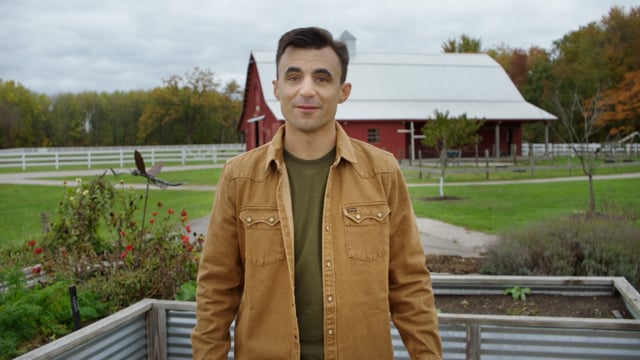
We can see glimpses of this in the places where people already care for the land. Farms can become places of restoration and belonging, where working together connects people with creation, their neighbors, and God’s provision.
Then God does something we cannot. God transforms creation and somehow takes up our offered efforts, recycling them into the new thing instead of dropping them in as finished pieces.
An Honest Question
It’s normal to sense some resistance to Wright’s perspective. Christianity Today has published a response to Wright’s view that asks what it could possibly mean for our actions to last into the new creation. I do not have a diagram, and I doubt anyone does. What I do know is that Wright is careful to say the kingdom is God’s work and not ours, and he warns against treating it as something we build through our own social and political programs. I find that freeing. In the end, all Christians are faced with the mystery of the resurrection, how God takes the broken ordinary matter of this world, as well as the imperfect intangible efforts we’ve made in faith, and fulfills them in New Creation.
Signposts Along the Way
This is where Tend makes sense to me. Tend helps participants establish rhythms and practices that function as signposts, small markers on the road that point to home, healing, and harmony.
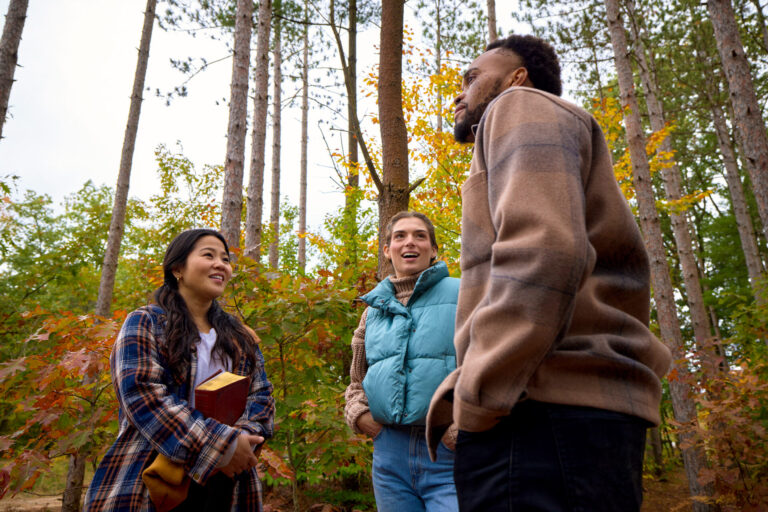
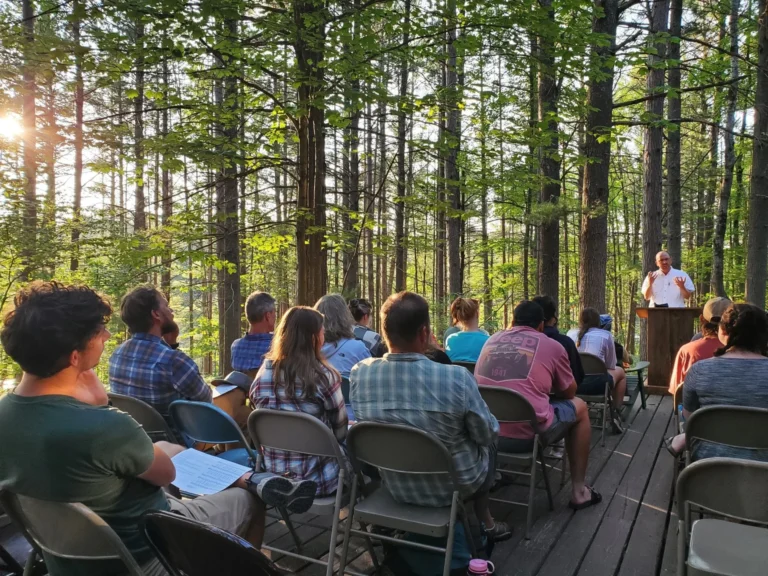
Giving thanks to God over a shared meal points to the feast God promises on the mountain and to the wedding supper of the Lamb, where Jesus serves us and we praise him. Opening Scripture together points to the word going out from Mount Zion and people walking in the Lord’s ways, as in Isaiah 2:1-4 and Micah 4:1-4. Fishing, gardening, and hiking point to God’s creation made whole. Gathering with neighbors points to the open gates of Isaiah 60:11 and the people streaming in from every nation, tribe, and tongue, and it gives us a chance to practice the serenity of New Jerusalem, the city of peace.
What to Do With Hope This Week
What’s one way that your life already points to the new creation that Jesus promises? Maybe it’s the dishes, the walk in the woods, the neighbor on the porch. Look at the bare trees and let them teach you about a form of waiting that is not empty. Nothing extra is required, only your attention to what God is already doing in the place where you live.
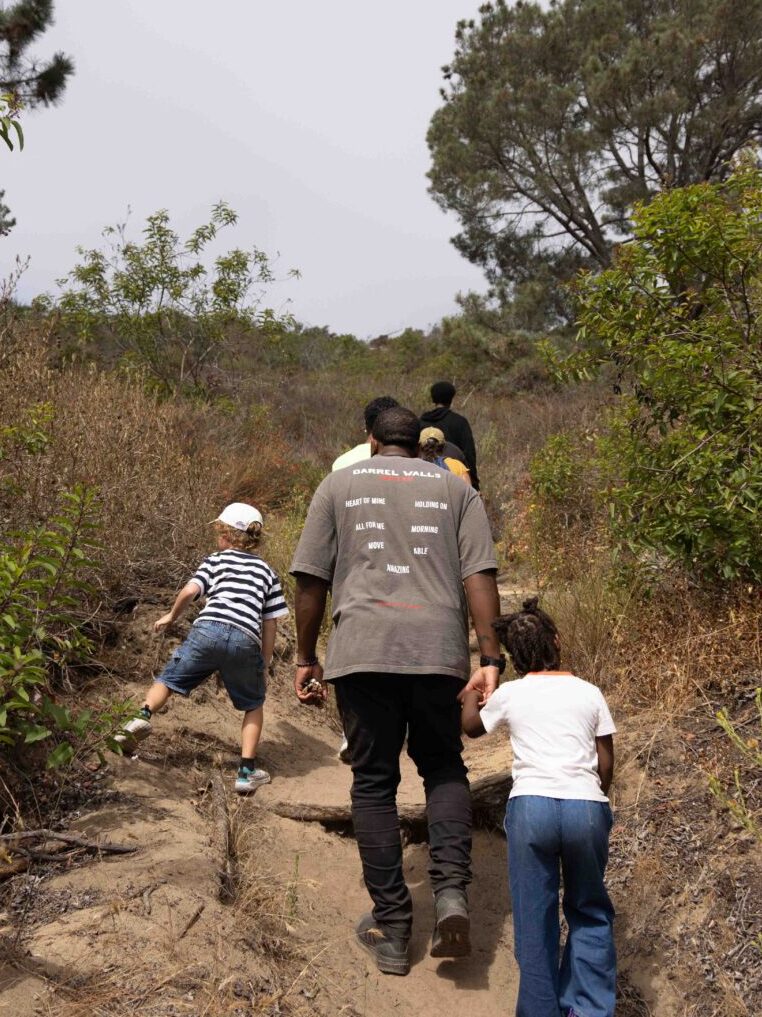
Sometimes, noticing God’s work becomes easier when we do it together. One Tend leader discovered how simple walks and shared experiences in creation opened space for hope, deeper relationships, and a renewed awareness of God’s care.
FAQ
What is Advent hope?
Advent hope is the confident, watchful expectation that God will complete the new creation Jesus began, with heaven and Earth made one. It shapes how we live now because our faithful work is taken up into what God is making.
Does N.T. Wright say we build the kingdom?
No. Wright is careful to say the New Creation is God’s work. We build for it in the sense that our faithful labor is not wasted, while God does the completing and transforming.
How does Tend connect with Advent?
Tend groups practice meals, Scripture reading, and Earthcare Activities together, and each one is a signpost pointing toward the world God is making. That gives ordinary community life an Advent shape.
How can I practice hope this week?
Be fully present to something ordinary: a meal, a walk, a conversation with a neighbor. Hope grows by paying attention to what God is already doing nearby.