Many Christians today wonder why faith feels disconnected from everyday life. The short answer is this: faith often feels disconnected because our everyday lives have become disconnected from the environments, relationships, and rhythms where faith was meant to grow. When lives are shaped by isolation, speed, and abstraction, it becomes harder to notice how God is already present and at work.
Why does faith feel disconnected from everyday life today?
Faith was never meant to exist as an isolated part of life. In scripture, faith is woven into daily rhythms like meals, weather, seasons, and communal practices. People encountered God while crossing through rivers and seas, hiking through the desert, drawing water, sharing food, climbing mountains, and casting nets for fish together.
Today, much of life happens in controlled environments. We move from homes to cars to offices, often without interacting with the natural world or our neighbors. Life becomes segmented. Work is here. Church is there. Relationships are scheduled. Faith gets placed into a specific time slot rather than lived as a shared experience.
When life is divided this way, we are cut off from the rhythms of creation that used to shape our relationship with God, and faith itself begins to feel abstract. It becomes something we think about rather than something we practice with our hands, in our relationships, and throughout our place.
How did we become disconnected from the rhythms that once shaped faith?
This shift did not happen overnight. It would be easy to blame modern technology, or the Industrial Revolution for exploiting creation and separating humans from it. But that would let us off the hook too easily.
The disconnection started not with the advent of a specific technology or urbanization, but with our exile from the garden of Eden. Since then, humans have been living in a complicated relationship with the Earth. Human sin separates us not only from God but also from the rest of creation. That pattern can be seen in the corruption of the Earth before the flood, the prophets’ calls for repentance for the sake of the land, and even the storms on the sea of Galilee that stand between the fearful disciples and what waits for them on the shore.
Much of modern life and technology does continue to disconnect us from creation. But we have to remember that it didn’t happen by accident. From the fall of the apple to the Apple iPhone, humans have been making decisions that put distance between themselves and the goodness of God in creation.
What role does creation play in our faith?
From the opening pages of scripture, creation is not just a backdrop. It is part of the story.
Humans were formed from the dust of the ground to extend the abundant life from Eden to the rest of creation. When we failed and rebelled against God, the curse of our sin was made visible in creation. But so was the grace of God. Rivers, mountains, and wilderness communicated the glory of God and shaped the journey of God’s people. The incarnation of Jesus is God’s affirmation of the goodness of creation, that God would consider a human body worthy of inhabiting.
Creation reveals the salvation of God. It invites attention, dependence, and wonder. It reminds us that we are not self-sufficient. It teaches us about growth, limits, and care. It teaches us that death is not the end, that new life rises out of the darkest places.
When we lose regular contact with creation, we do not just lose scenery. We lose a mentor in faith. We lose opportunities to notice how life is sustained beyond our control. We lose shared experiences that draw people together in simple, grounded ways. In short, faith feels disconnected.
When the natural spaces that once made God’s character tangible are no longer part of everyday life, faith begins to feel distant.
Why do the pressures of life make it harder to experience faith?
The pressures of daily life push us toward speed, efficiency, and individual control. These are not inherently wrong, but they can shape us in ways that make faith harder to notice.
When life is busy, there is little space to reflect. When everything is optimized for convenience, we rarely engage with the processes that sustain life. When relationships are thin or transactional, it becomes difficult to experience faith in community.
Many people also experience their days as fragmented. Work may feel disconnected from purpose. Time with others may feel rushed. Even rest can feel distracted.
In that environment, faith can feel like one more thing to manage. It becomes another task instead of a way of seeing and participating in what God is already doing to sustain life around us.
Why does church sometimes feel separate from everyday life?
For many people, church is one of the only places where faith is discussed openly. Gathering, worship, and teaching are cornerstones of how our faith matures.
But when we leave the sanctuary or gathering place, it can feel like we leave our faith in that room. The gap between Sunday and the rest of the week can feel wide.
This is not because something is wrong with church. It is because the rest of life is not structured to carry faith forward. Without shared practices, relationships, and exposure to creation’s rhythms outside that space, it becomes difficult to translate what we hear on Sunday into something we live the rest of the week.
The early church gathered often, shared resources, and lived in close proximity. The culmination of their expression of faith was a feast, where the gifts of creation were brought to the table as food and drink. That’s how they understood the presence of Christ among them: as a meal.
When our weekly schedule doesn’t include regular interactions with the community of faith and the gifts of creation, faith can feel like something we subscribe to instead of something we inhabit. Simply, faith feels disconnected.
Why does faith need community to feel real?
Faith has always been relational. It grows through shared experiences, conversations, and practices.
When people are isolated, faith can become internal and private. It may still matter, but it becomes harder to express, test, and deepen. Without others, there are fewer opportunities to practice forgiveness, generosity, hospitality, and shared purpose.
Modern life often reduces the number of consistent, local relationships we have. People move frequently. Work schedules vary. Digital connection replaces physical presence.
Faith needs a place to take shape in real time, with real people. It needs space where questions can be asked, meals can be shared, and small acts of care can be practiced together.
Without that, it is easy for faith to feel distant, even if belief remains strong.
Why does faith feel passive instead of participatory?
Many people experience faith as something they observe rather than something they do.
We listen to sermons. We read books. We consume content. These can all be helpful. But without participation, faith can feel incomplete.
Scripture describes people as participants in God’s work. There is an invitation to join in what God is already doing. This often looks simple and local. It can look like caring for a place, sharing a meal, or showing up for a neighbor.
When faith becomes primarily informational, it can lose its sense of movement. People may believe deeply but still feel disconnected because they are not sure how to engage.
Participation does not require expertise. It begins with noticing and responding in small, tangible ways.
How can everyday life become a place where faith is visible again?
Reconnection does not require starting something new from scratch. It often begins by paying attention to what is already present.
Faith becomes visible when it is practiced in ordinary settings. Meals can become spaces of gratitude and conversation. Outdoor time can become an opportunity to notice and reflect. Neighborhood relationships can become places of care and shared life.
Small, repeatable practices matter more than occasional big efforts. A consistent rhythm of gathering, serving, or simply being present can slowly reshape how faith is experienced.
This is not about adding more to an already full schedule. It is about integrating faith into what is already happening.
What practical steps can help reconnect faith and everyday life?
There are a few simple shifts that can begin to close the gap.
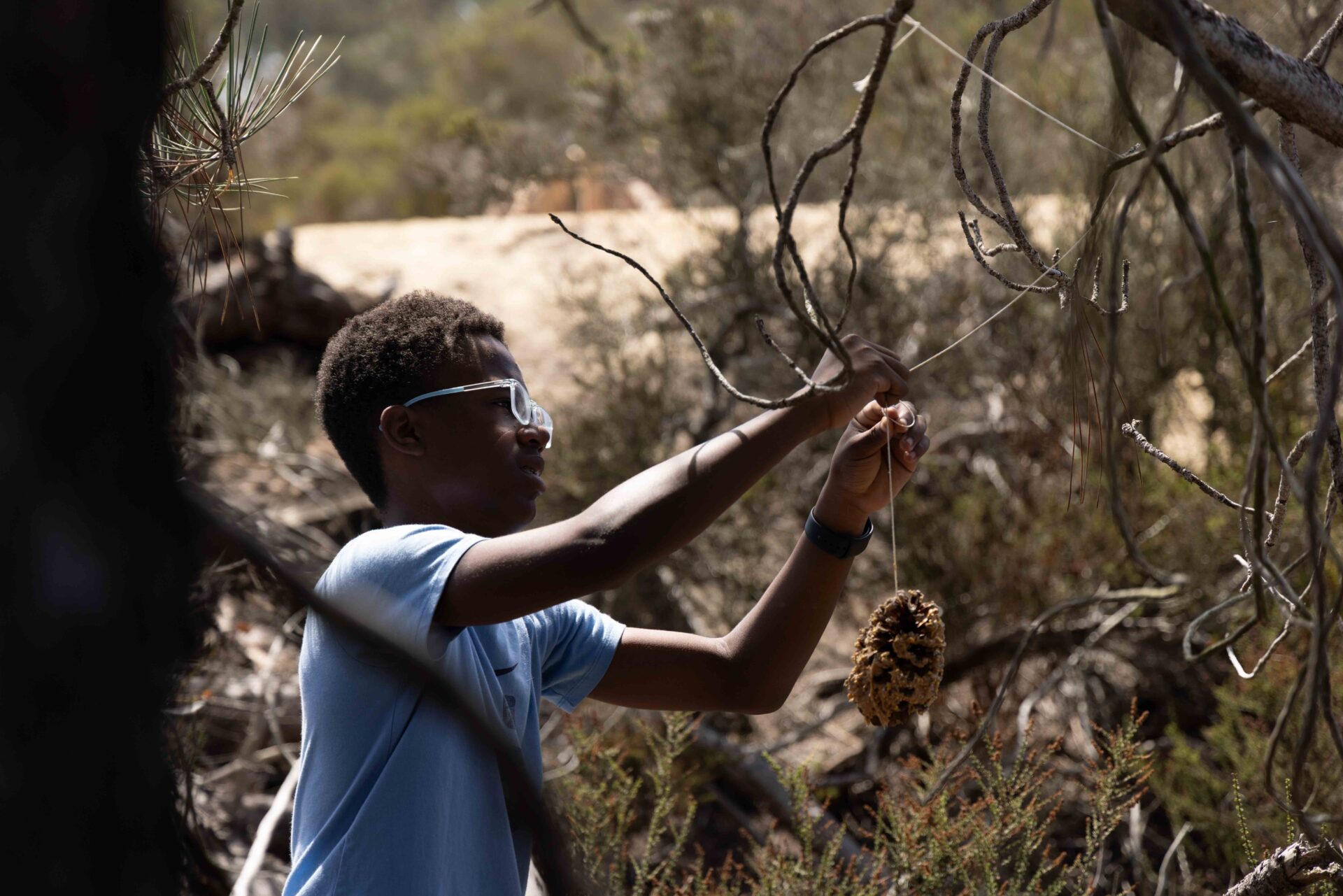
Spending time outside, even in small ways, can restore awareness. Walking, gardening, or sitting in a local space can create room to notice and reflect.
Sharing meals with others creates natural opportunities for connection. Food slows people down and brings them together in a way that feels accessible.
Limiting digital noise, even briefly, can create space for presence. Attention is one of the most important parts of faith, and it is often the first thing that gets crowded out.
Opening your home or joining others in a shared space can rebuild the sense of community that faith needs to grow.
These are not large changes, but they create environments where faith can be practiced, not just discussed.
How do small group practices help faith feel connected again?
Faith becomes tangible when it is practiced with others in real life settings.
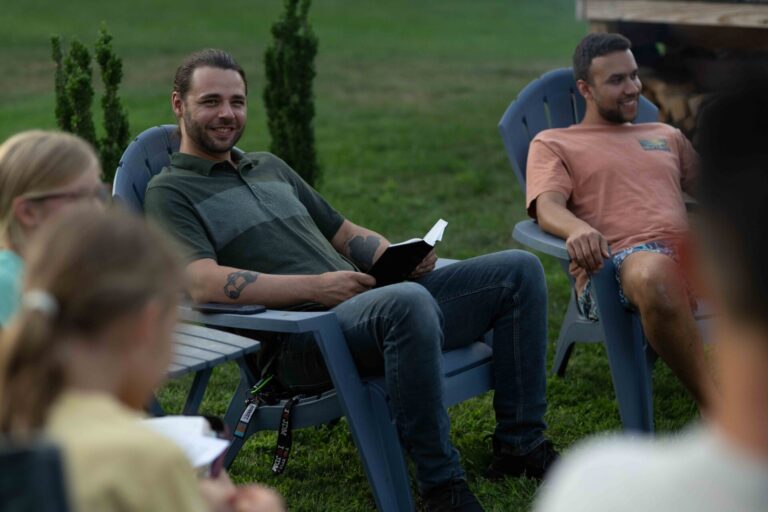
Gathering regularly with a small group creates a rhythm. It provides a place where relationships can deepen over time. It allows faith to be expressed through shared experiences, not just ideas.
Simple practices like eating together, reading Scripture, and spending time outdoors create a bridge between belief and daily life. They help people see how faith connects to their neighborhood, their relationships, and their routines.
These practices do not require special training or large amounts of time. They work because they are simple and repeatable.
When people begin to live this way together, faith often starts to feel less distant and more integrated.
What if faith is not as disconnected as it feels?
It may be that faith is not as absent as it seems. It may be that it is harder to notice.
God is not confined to specific places or times. There are signs of restoration, connection, and care happening in everyday life. Acts of kindness, moments of beauty, and shared experiences all point to something deeper.
The invitation is not to create faith where it does not exist, but to recognize where it is already present and to join in.
This shift changes the question from “How do I make my faith relevant?” to “Where is God already at work around me?”
That question is often easier to live with, and it opens the door to participation.
FAQ: Why Faith Feels Disconnected From Everyday Life
Why does my faith feel disconnected even though I believe deeply?
Belief and experience are not always the same. You can hold strong beliefs while lacking the daily practices and environments that help those beliefs take shape. Reconnecting often involves simple, shared rhythms rather than more information.
Is this a problem with my faith or with modern life?
It is often more about how life is structured than the strength of your faith. Many aspects of modern life make it harder to experience faith in embodied and relational ways.
Do I need to make big changes to feel connected again?
No. Small, consistent practices usually matter more than large changes. Starting with something simple and repeatable is often the most sustainable approach.
Why does being outside help faith feel more real?
Creation reflects God’s presence and provision in tangible ways. Being outside can restore awareness, slow down your pace, and create space to notice what is often missed.
Can faith really grow through simple things like meals or walks?
Yes. Faith has always grown through ordinary practices. Meals, conversations, and shared experiences are some of the most natural ways faith becomes visible.
What is one next step I can take?
One easy first step is to start a Tend group. Invite a few people to gather regularly. Share a meal. Spend time outside. Read a short passage of Scripture together. See what begins to grow from there.
Faith can feel disconnected from everyday life. But it does not have to stay that way. When we begin to notice, gather, and practice in simple ways, we often find that faith is closer than we thought.If you are wondering what this could look like where you live, you can explore Tend and join a movement of others who are beginning to live this out together.