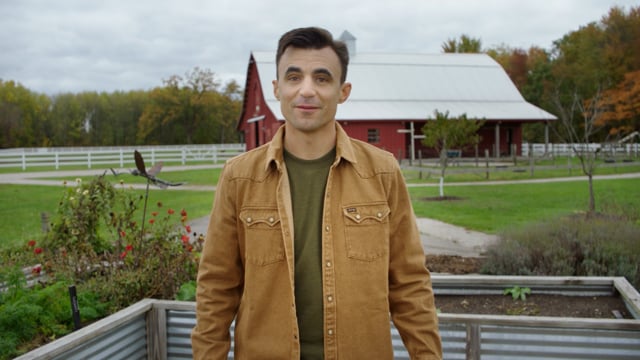
Healthy farms do more than produce food. They create places where people reconnect with the land, their neighbors, and God’s provision. Through regenerative agriculture and shared practices like planting, harvesting, and gathering around meals, farms become places of restoration and belonging. Tend helps groups partner with local growers through simple Earthcare Activities that reconnect faith with everyday life. Farms need people. People need farms.
Why Are So Many People Longing for a More Grounded Life?
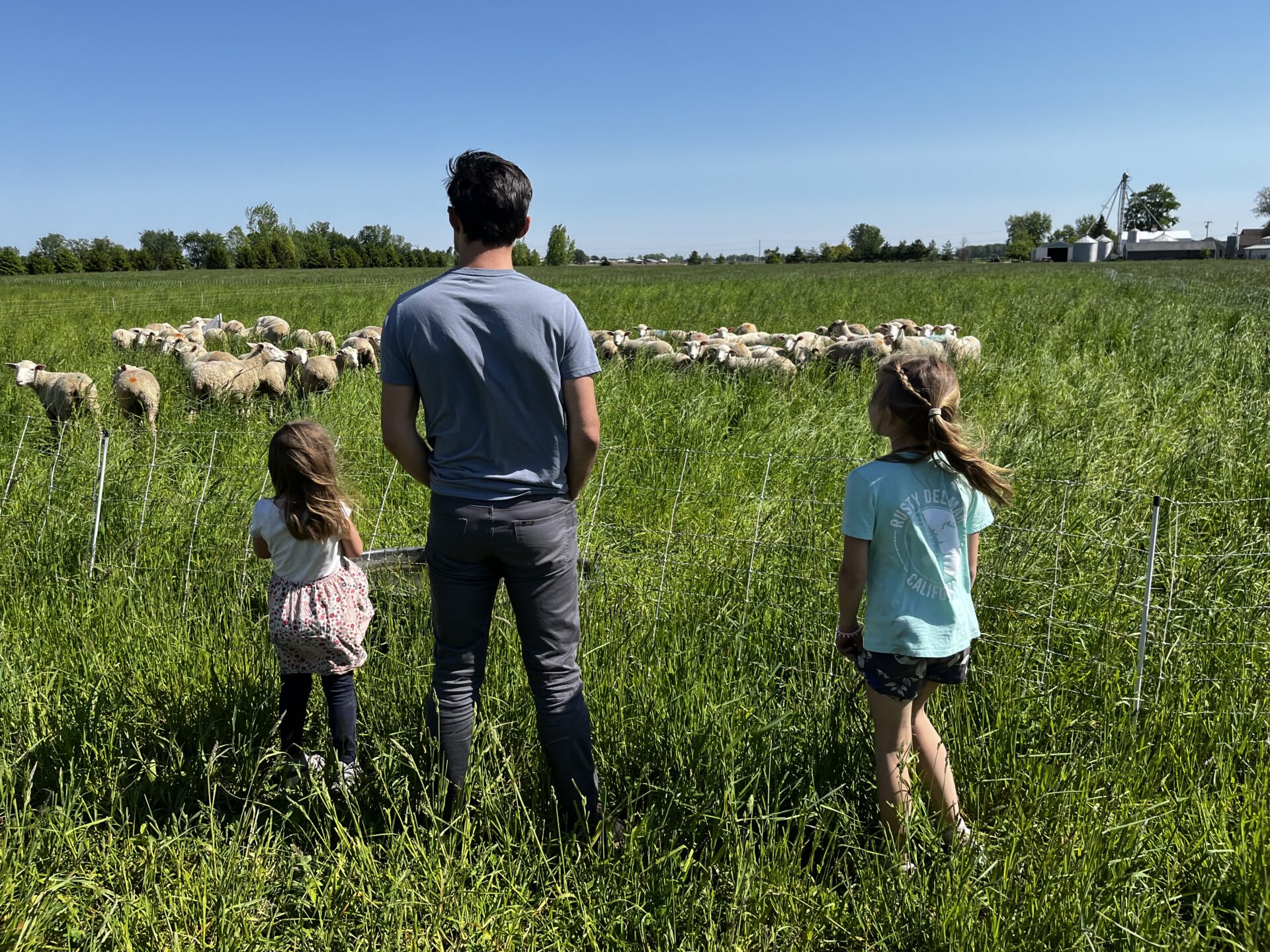
A few summers ago, I spent six weeks interning at a regenerative farm in West Michigan called Shady Side Farm. The farm raises sheep and cattle using rotational grazing practices, moving animals regularly through sections of pasture. Every detail of the place reflects years of patient care and attention.
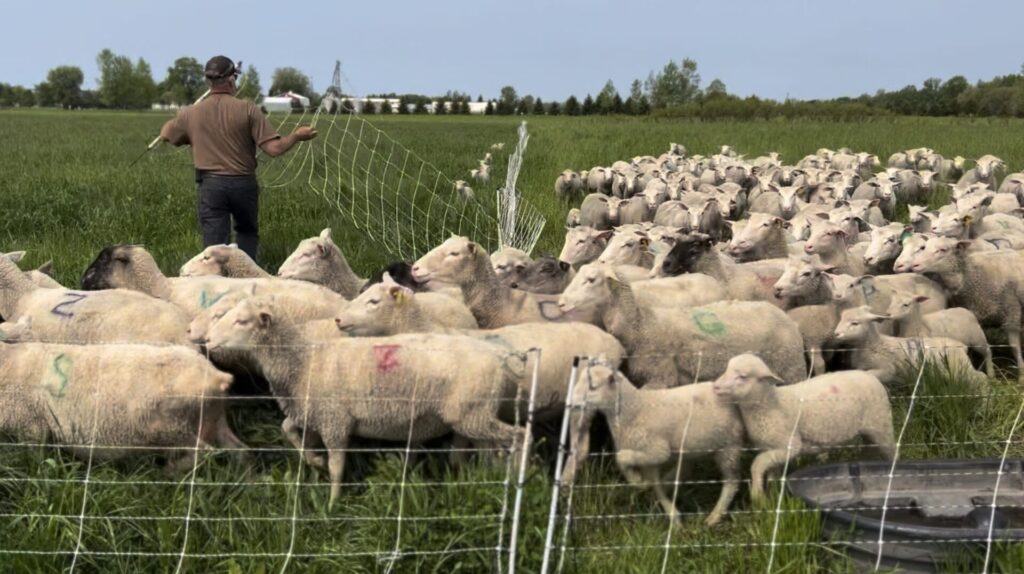
The land itself feels alive. Grass grows taller than my shoulders in some places. The soil is dark and rich. The animals are healthy and calm. Customers faithfully drive from nearby cities to buy meat from the farm because they trust the way it is raised and cared for. (In fact, if you’re in the area, you can patronize their online store or their booth at the Holland or Grand Rapids farmers markets.)
On the first day of my internship, the farmer, Mike, pointed toward a group of cattle standing at a distance from us.
“They’re standing way back there because they don’t know you yet,” he said. “But eventually they’ll come around.”
And he was right. Every day I moved the cattle to fresh pasture and gradually the cattle learned to recognize me by my walk and my voice. They no longer scattered when I entered the pasture because trust had slowly formed through repeated presence.
My experience taught me something modern life often forgets: All of life is shaped by relationship. Healthy land, healthy animals, and healthy communities all require people who are willing to pay attention and remain present.
What Makes Regenerative Farming Different?
That attentiveness is part of what makes regenerative farming different. Instead of treating land like a machine built for maximum output, regenerative farmers like Mike start by paying attention to the relationships that allow creation to flourish. Soil, grass, water, animals, weather, and people are all connected. Regenerative farming strengthens those relationships rather than exhausting them.
Practices like rotational grazing help restore fertility, improve water retention, increase biodiversity, and keep pasture healthy over time. But underneath those techniques is a deeper posture: human presence. Regenerative farming requires people who notice, respond, and participate with the land rather than extracting from it.
What struck me most during my internship was not just the health of the farm. It was the kind of attention the farm required. Healthy land grows where people are willing to steward it well.
Why Do Farms Need People?
The farm where I interned had incredible potential. The soil was fertile. Demand for local food was growing. Nearby cities were full of people looking for healthier food and a more grounded way of life. But like many farms today, the whole operation depended largely on one person.
Mike was remarkably skilled, but there are limits to what one human being can sustain. Healthy farming takes constant attention. Animals need care. Fences need repair. Water systems need checking. Pastures need monitoring. Living systems require presence.
That tending presence is becoming more and more of a challenge across modern agriculture. Farmers are aging rapidly, and many younger people are not stepping into the work. With fewer people to work the land, farmers often take on enormous loans to buy equipment designed to help one person farm thousands of acres alone.
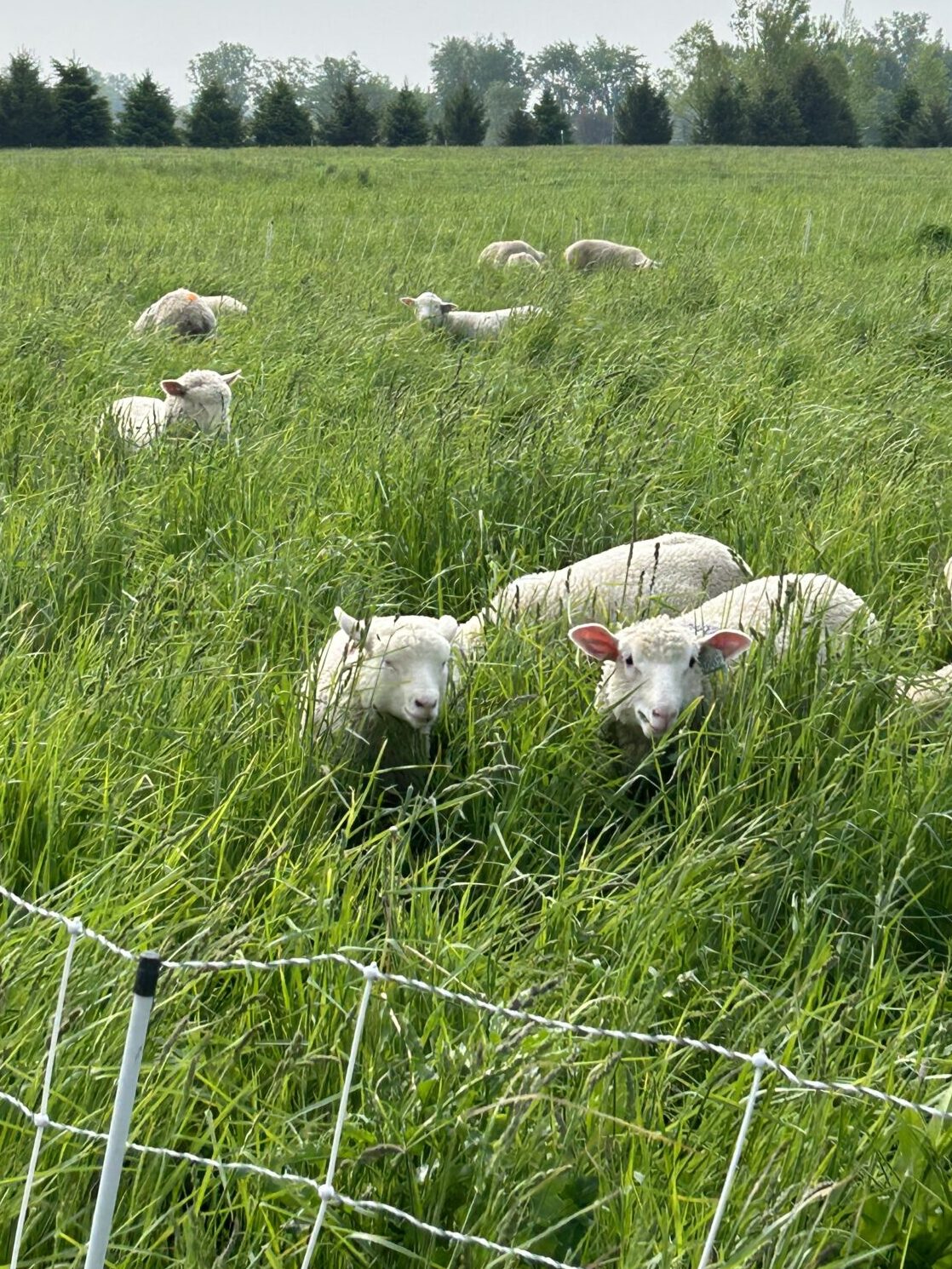
Some technology is genuinely helpful. For example, farmers like Mike are able to practice intensive grazing with the help of lightweight electric fencing. But there is a difference between assisting human care and replacing human presence altogether.
It becomes difficult to tend the relationships of creation through machines alone. Soil, animals, water, and ecosystems all respond best to careful observation and ongoing participation. Many farmers are carrying impossible workloads, not because they want to, but because there are simply fewer people on the land.
At the same time, many people living in cities and suburbs are longing for exactly what farms already offer: meaningful work, connection to creation, healthier food, and a sense of belonging to a real place. In fact, a popular video game, Stardew Valley, explores this theme while you play as an office worker who inherits their grandfather’s farm, moves to a small rural town, and works to save the community center. The popularity of this game underscores this exact longing in many people today.
In many ways, the problem is not that people have stopped caring about the land. It is that the people who long for connection to the land and the people actually tending it rarely meet each other anymore.
That is part of why we care so deeply about farming communities. A thriving world depends on healthy relationships between people, God, and creation itself. Farmers are at the forefront of those who are tending those relationships so that communities and ecosystems can flourish again.
Why Does Tend Care About Farmers?
Tend is an initiative of Plant With Purpose, a Christian nonprofit that has worked alongside farming communities around the world for decades. Through regenerative agriculture, savings groups, environmental restoration, and spiritual formation, Plant With Purpose helps communities restore both land and livelihoods.
In regions affected by poverty, drought, erosion, and food insecurity, farmers are often the first to experience the effects of environmental degradation. When soil becomes depleted, entire communities suffer. Crops fail, economic stability weakens, and families are forced into impossible choices.
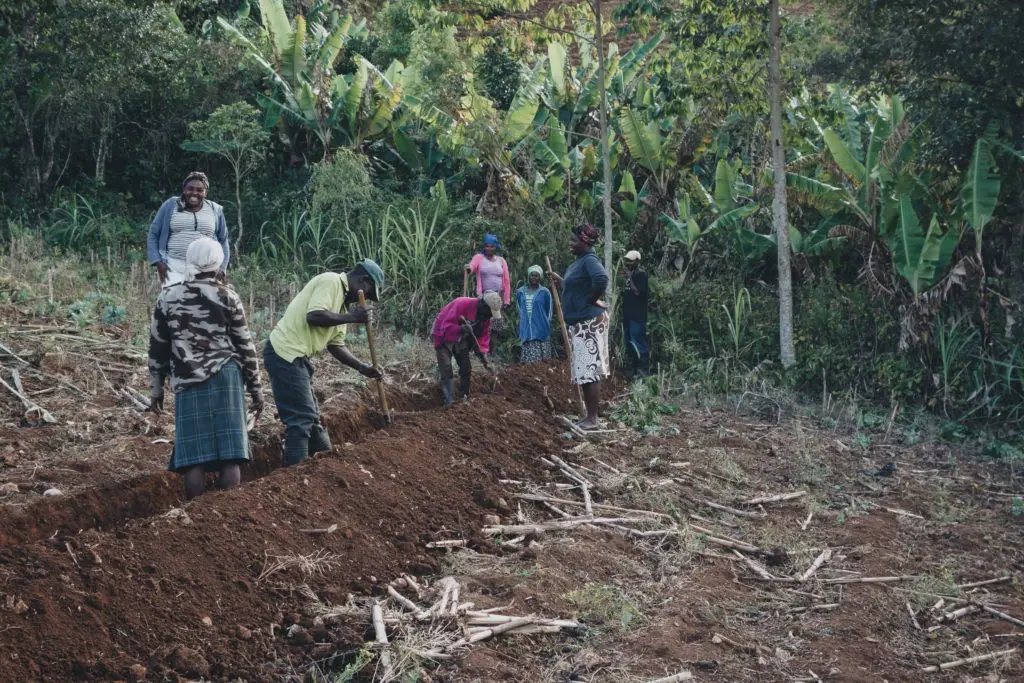
But when farmers help the land begin to recover, something larger begins happening too.
As soil health improves, harvests become more reliable. Families gain stability. Local leadership strengthens. Communities cooperate more closely. Spiritual renewal emerges alongside environmental restoration because people rediscover hope, dignity, and shared purpose.
That vision shapes Tend’s understanding of farming as well.
We believe farming matters not just because it improves the health of creation, but because it matters to God. Scripture consistently portrays God as one who plants, waters, cultivates, prunes, and brings life from the Earth. Humanity was formed from the soil and invited to participate in creation as co-sustainers.
Farming is not just a profession. It is one of the ways all humans remember who we are.
What Does Farming Teach Us About Human Dignity?
There is dignity in growing food.
That may sound obvious, but many modern cultures treat farming as unimportant work unless it becomes industrialized or highly profitable. The people closest to the land are often overlooked even though their labor sustains everyone else.
Plant With Purpose has seen firsthand how regenerative farming restores dignity because it reconnects people to meaningful participation in creation. Farmers are not merely extracting resources from the Earth. They are partnering with creation in ways that nourish families, communities, and future generations.
This dignifying work is not just for full-time farmers.
When people like you participate in gardens, farms, orchards, or neighborhood growing projects, they begin seeing things differently. Food stops being fuel and becomes part of a living story that includes weather, soil, labor, patience, and gratitude. People reconnect with simple rhythms that remind them of their purpose and God’s provision in their lives.
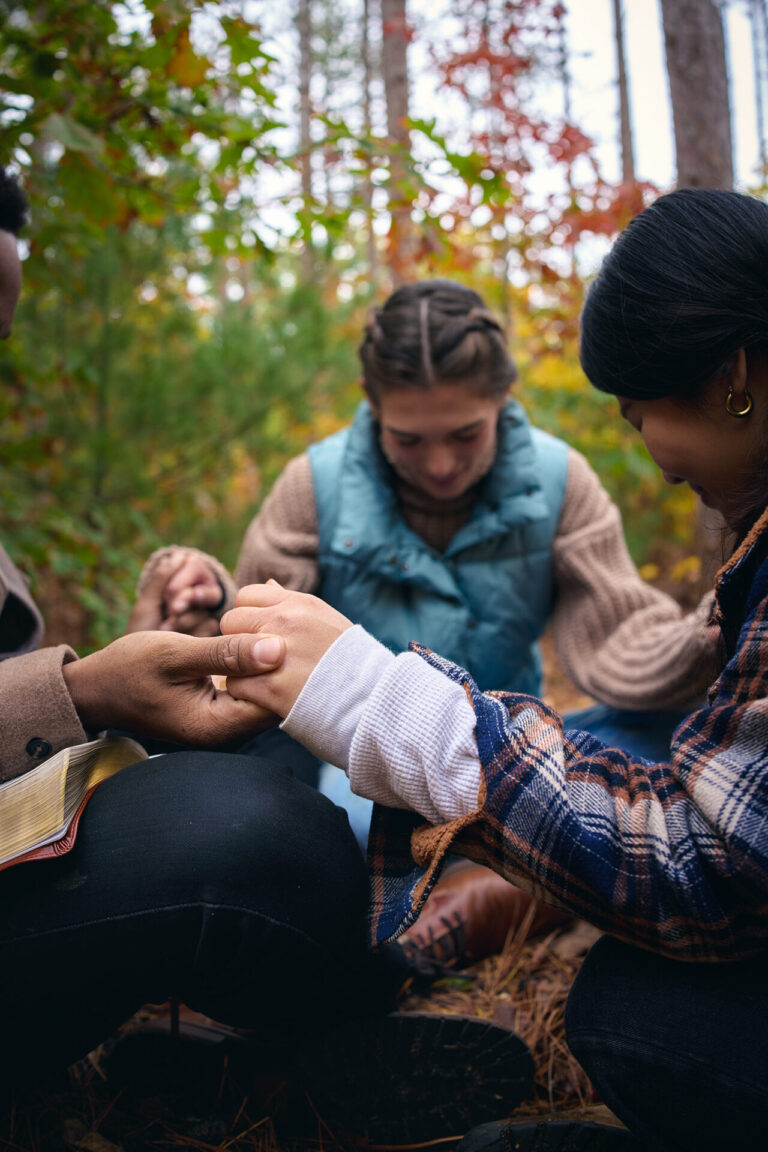
I saw this happening at several farms near the one where I interned. One farm hosts garlic planting gatherings every October. People came together to plant cloves, and celebrate the changing season with a potluck at the farm. Another farm regularly invited neighbors to gather for prayer in the gardens during planting and harvest seasons.
These were not flashy events designed to market the farm. They were genuine invitations for people to come back to the place that sustains them, that remind people they belong to God, one another and to the land itself.
Why Should Christians Get Involved at a Farm?
Something changes when people pull weeds together, repair fences together, care for animals together, or gather vegetables side by side. Conversations become easier. Relationships deepen naturally. Gratitude grows when people witness firsthand how much care goes into sustaining life.
That is part of what makes Tend’s Earthcare Activities meaningful. They are simple ways of building a community that participates in God’s restoration already unfolding around us.
Through activities like Farmhand Friends, groups can partner with local growers and support the life of a farm together. Sometimes that means helping with planting or harvest. Sometimes it means learning directly from farmers who know their land intimately. Sometimes it means sharing a meal after a few hours of work outdoors.
These practices reconnect faith with everyday life because they remind us that creation is not merely scenery. It is something we belong within and care for together.
Before you start calling up your local farmer asking to “help,” remember that farmers are extremely busy. It might not be possible for them to take time out of their day to show you around or find something for your group to do. Practice deference in your requests and know that if they are able to make time, it’s most likely for your benefit more than theirs, at least at first. Hopefully, as that relationship grows in mutuality, you’ll form a partnership where you and your group feel like the land is a place you belong.
What Did the Cattle Teach Me About Belonging?
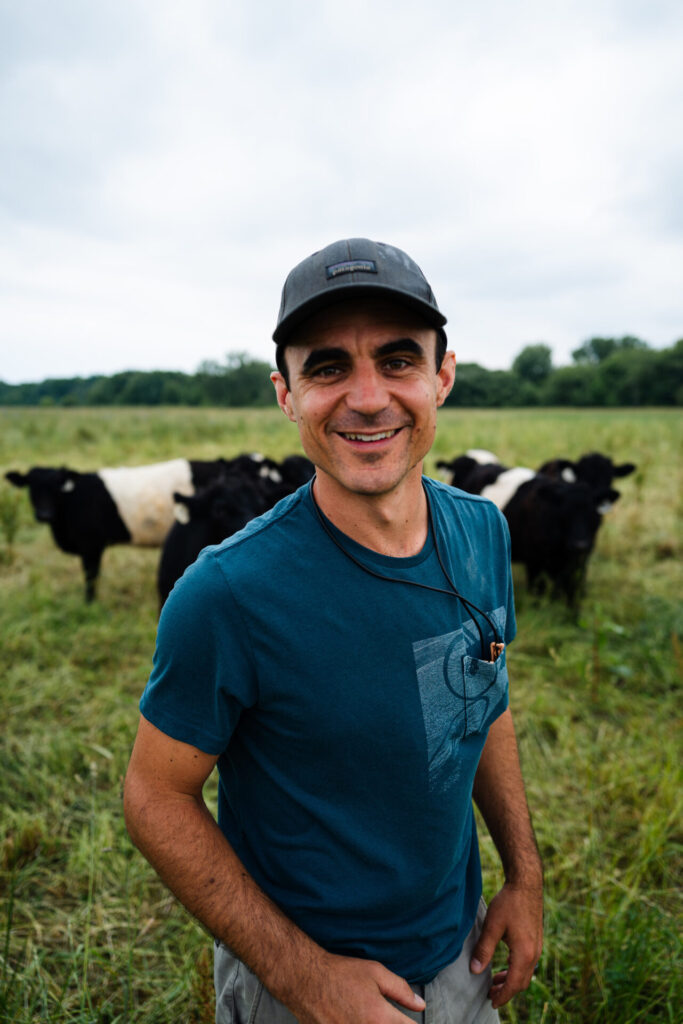
Toward the end of my internship, I walked into one of the pastures alone. The grass stood tall around me, moving softly in the wind as the herd slowly approached.
Instead of standing there, I laid down in the pasture very slowly.
One by one, the cows cautiously approached and formed a loose circle around me. One stepped close enough to press her wet nose against my face while the others stood nearby in the tall grass, breathing softly in the afternoon light. I stayed there listening to the sound of the herd around me, and for a few moments, I felt completely at home within that landscape.
I think humans ache for that kind of belonging. Many of us live disconnected from the land, from the sources of our food, and often from one another. But deep inside, we cannot escape a primal desire to reconnect to the relationships that sustain us. God formed us from the Earth itself and invited us to belong to and co-sustain the relationships that make life possible. That sense of belonging is not far off.
Leaving the farm was surprisingly emotional because I realized I was leaving behind more than a place. I was leaving behind a rhythm of life that had made me more attentive, more grateful, and more connected to the living world around me.
Turns out that you don’t have to be an intern or a professional farmer to enjoy that rhythm of life.
How Can Ordinary People Participate in the Life of a Farm?
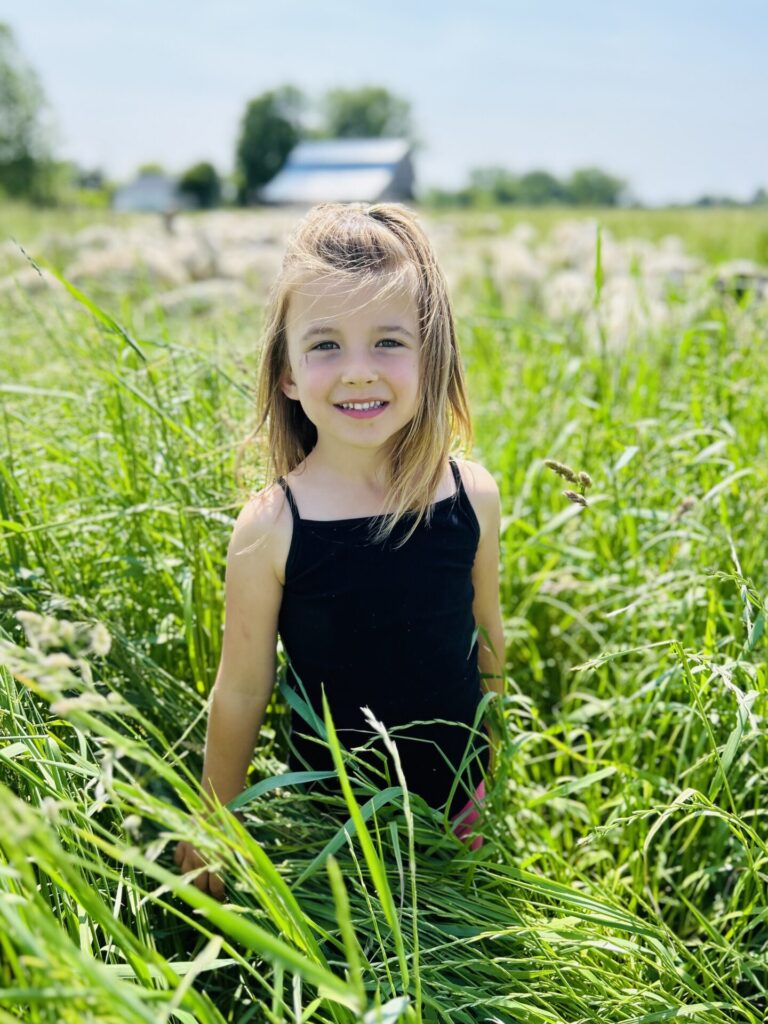
Many people assume farm life is inaccessible unless they own acreage, move to the countryside, or become full-time growers themselves. But participation can happen in much smaller and more ordinary ways.
Local farms often need helping hands during harvests, planting seasons, markets, or community events. If you are willing to show up consistently, learn, and build relationships over time, you might be a blessing to a grower near you.
Through Tend’s Farmhand Friends activity, groups can connect with local growers and participate in the life of the land together. Some groups may volunteer at a nearby farm (if you’re interested in that, just remember to be sensitive to busy farmers who may not be able to accommodate your request). Other groups may help plant gardens, harvest produce, or spread mulch at a community garden.
When we participate in the care of creation together, we begin rediscovering what it means to be human. We remember that life is sustained through relationships between people, places, creatures, and the God who continues bringing life from the soil.
Farms need people. People need farms. Tend helps people reconnect with the living world growing around them.
FAQ
What is regenerative farming?
Regenerative farming is an approach to agriculture that improves soil health, biodiversity, water retention, and ecosystem vitality over time through practices like rotational grazing, composting, and cover cropping.
What is Plant With Purpose?
Plant With Purpose is a Christian nonprofit that partners with farming communities around the world to restore ecosystems, reduce poverty, and renew spiritual life through regenerative agriculture and community developed restoration.
What is Tend?
Tend is an initiative of Plant With Purpose that helps churches and communities practice discipleship through shared meals, Scripture, and hands-on Earthcare Activities that connect people to God, neighbors, and creation.
What is Farmhand Friends?
Farmhand Friends is a Tend Earthcare Activity that helps groups partner with local growers through simple shared practices like planting, harvesting, volunteering, and gathering around meals.
Why does farming matter spiritually?
Throughout scripture, gardens, vineyards, and fields are settings where people encounter God’s calling, community, provision and presence. Participating in the care of creation helps reconnect faith with everyday life and reminds us that we are part of creation, not separate from it.