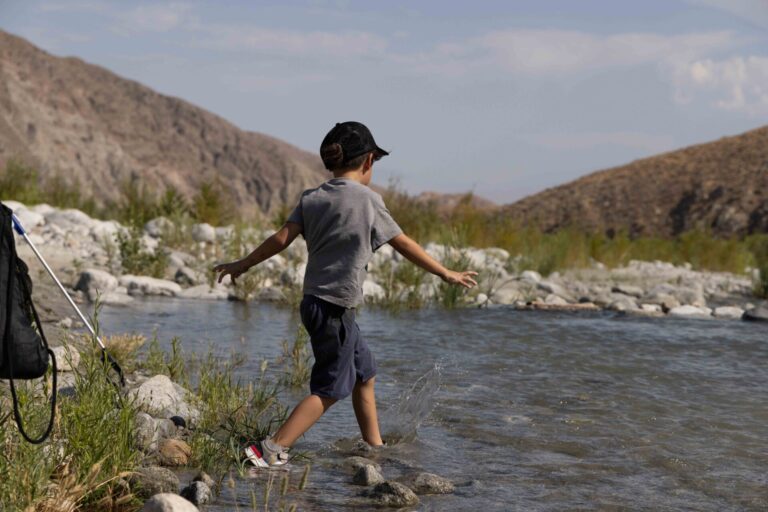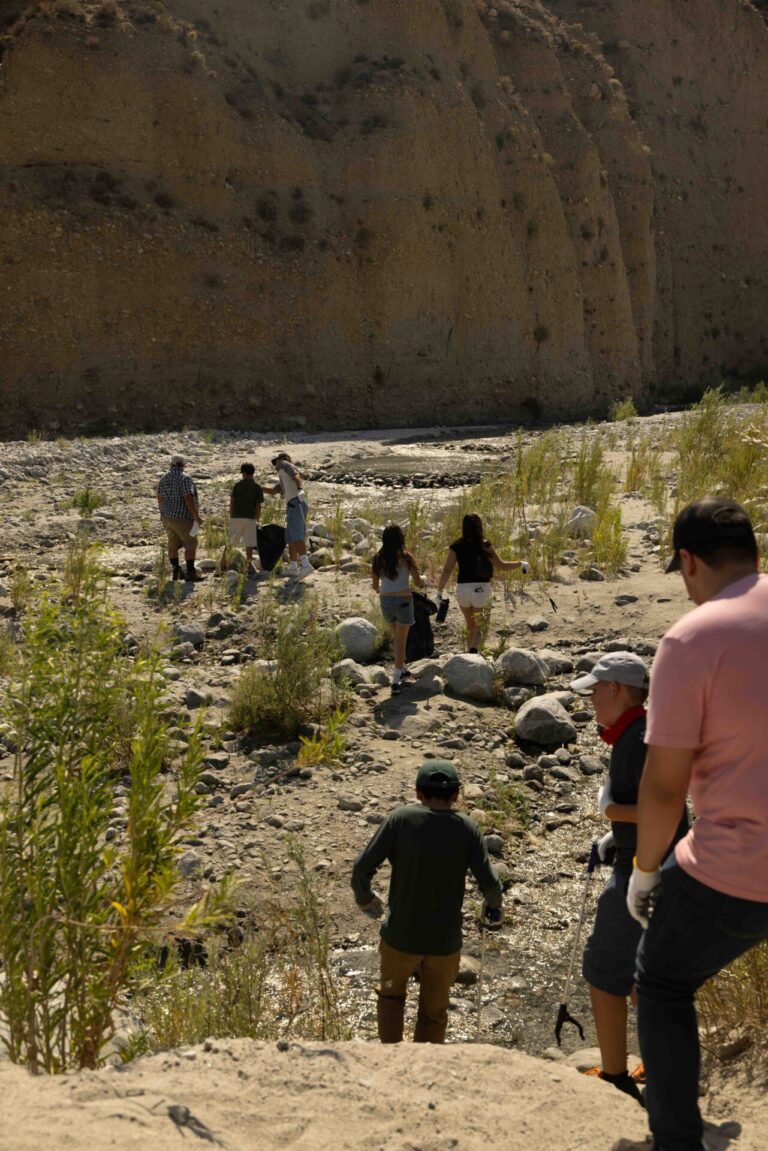

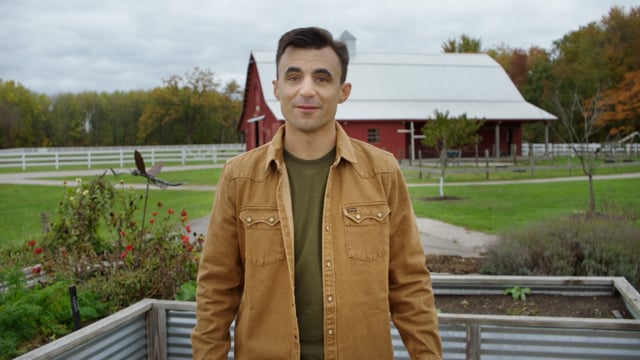
Caring for creation isn’t partisan. Our care builds the kind of trust that can hold our political differences and heal our polarization. Because we were formed from the same dust and share one Earth, working side by side in creation helps us learn to rely on people who see the world differently. The church is uniquely placed to build these settings, and a Tend group is one simple way to start.
Deeper Than Your Political Party
Caring for creation is always bipartisan. It’s our chance to build relationships that, critically, go deeper than political preferences.
The question is not whether we will hold convictions about public issues, or whether these convictions will put us at odds. We will, and they will.
The question is whether we are building, and rebuilding, relationships robust enough to hold those differences.
Stated more firmly: Caring for creation gently redirects our focus toward what we share, offering a powerful antidote to polarization that focuses solely on our differences.
Where We Look When We’re Cut Off From Creation
Connection with God through creation meets a human need for transcendence and providence. We are affirmed that we are part of a web of life sustained by God. Caring for creation can remind us that we are all formed from the same dust and live on the same Earth.
Through creation, God teaches us to steward abundance. He teaches us companionship, care, belonging, transcendence, and provision. He invites us beyond the fear of scarcity or mistrust of others, and He so often uses creation to do so.
When we are alienated from our relationship to creation, we try to meet our need for transcendence and providence by looking to other things, very often politics. Who will feed me? Who will sustain me? Who will justify me? Who will care for me? Whom should I fear?
What Genesis and Exodus Show Us
It reminds me of the story in Genesis, when an ecological disaster drives Jacob’s family to Egypt for food. As the famine deepens, Egyptians pay their money, sell their livestock, and finally surrender their land to Pharaoh in exchange for grain. A fragile ecology drives people into an untenable political conflict.
By the beginning of the book of Exodus, Pharaoh becomes fearful and enslaves people. But look at how God delivers people from this entanglement. God leads people out of Pharaoh’s political system and into the wilderness where they relearn how to receive from God, rest from work, and live as a community of grace.
What would it look like for God to deliver us from our politically dependent relationships today? Might God use creation once more to teach us to trust each other?
Trust Is Built Through Shared Work
After all, polarization isn’t actually a symptom of too much difference. It’s a symptom of deeply rooted mistrust.
When we invite neighbors to join us in caring for creation, we invite them into a community built first on shared responsibility and mutual care, not on ideological alignment or fixation on real or perceived scarcity.
In the course of creation care practice, we meet our own needs at the same time we become able to perceive and meet the needs of those who live near us. Working together changes how we see one another, and ourselves. Shared work in creation is a way we can exercise and bolster our most fundamental identity: formed from dust, to be stewards of Eden.
In this setting, we learn to rely on people who are different from us. And over time, this builds trust.
And the church has the ability to build these settings. In fact, it has a responsibility to do so.
The church’s call is to be a reconciling community, a foretaste of new creation. Through the church, people can experience restoration with God, creation, and neighbors. The church can and must be a place where people experience the kind of healing that we need from our inflammatory divisive politics.
What This Looks Like in a Tend Group
Tend is a small group discipleship initiative of Plant With Purpose. A Tend group brings together a handful of neighbors who gather regularly around two shared rhythms. The first is a dinner and discussion gathering, where participants share a meal and explore Scripture and what it reveals about God’s world. The second is Earthcare Activities, hands-on time in creation such as gardening or hiking, where the shared work gives group members something restorative to do with their neighbors besides talk.
That combination matters. Around the table, you learn one another’s stories. Out in the garden or on the trail, you find out what it’s like to depend on each other. Neither one requires anyone to agree on political agendas first. Both build the kind of trust that can hold real differences.
Start Small, Start With Tomatoes
As Esau McCaulley writes in How Far to the Promised Land, “Patience with broken people and broken things is a manifestation of trust in God.”
So, if you find someone’s beliefs intolerable, pray for them. Bring them tomatoes and zucchinis from your garden. Join them for a hike. Over time, your heart will change, and theirs likely will too.
If you’re ready to try this with your own neighbors, we’d love to help you start a Tend group. Visit tendlife.org to get started.
FAQ
Do I have to agree with my group members on politics?
No. A Tend group isn’t built on ideological alignment. It’s built on shared meals, shared Scripture, and shared work in creation. Differences will come up, and the goal is a relationship strong enough to hold them.
Do I need to be an expert in creation care to start a group?
Not at all. You don’t need special training or a big project. A garden bed, a neighborhood walk, or a shared meal is enough to begin.
How many people do I need to start a group?
Fewer than you might think. A small group of neighbors is a great place to start, and it can grow from there.
Is this only for church members?
Tend is designed to help churches build these communities, but the invitation reaches past the church walls. Neighbors who have never set foot in a sanctuary can share in the meals and the work.
Why does creation care help with polarization?
Because polarization is a symptom of a lack of trust, working side by side in creation is a way to rebuild it. This gives people a shared responsibility that doesn’t depend on agreeing about everything else.