
What does creation care have to do with evangelism?
Every Christian I know wants real relationships with their neighbors. Relationships where Jesus shows up naturally, not awkwardly or forcefully. Where faith actually makes a difference in the neighborhood—not just inside the church walls.
And yet, when many of us hear the word evangelism, we still picture something like this:
- Identify neighbors who aren’t Christians.
- Compel them to listen to a gospel presentation, either by you or at your church.
- Make sure they pray the prayer.
Before long, the person next door isn’t really a neighbor anymore. They’re a project.
We want to present the gospel in a way that they would receive it, but there’s an obvious lack of relational capital that makes it feel incredibly awkward and unnatural.
We feel it. Our neighbors feel it. Evangelism can start to feel like a cold sales call—where if we don’t “close the deal,” we’ve somehow failed Jesus. We beat ourselves up for not being brave enough. No wonder evangelism has become one of the most anxiety-producing words in church.
The problem isn’t that we don’t love our neighbors.
The problem is that we’ve been handed a gospel that’s too small.
When the Gospel Shrinks, Neighbors Become Projects
Many of us were taught—explicitly or implicitly—to believe something like this:
Evangelism = convincing someone to think differently about God and themselves.
Thoughtful dialogue and apologetics absolutely matter. But when that’s our only model, evangelism quietly creates an “us vs. them” dynamic. We’re the ones who know. Our neighbors are the ones who don’t. Even with good intentions, people become projects to work on instead of partners to engage.
Jesus really came to restore all things—our bodies, the land, our relationships, our neighborhoods—things that our neighbors care about and are currently stewarding. They’re participants. God is already at work in their lives, whether they follow Jesus or are discovering him along the way.
Which changes our evangelistic question from How do I get my neighbors to accept the gospel? to Where can we join our neighbors in stewarding the very things God is restoring?
What Is Creation Care—and Why Does It Matter for Christians?
Creation care is the biblical practice of loving, stewarding, and restoring the world God made—land, water, creatures, and communities—as an act of worship and faithfulness to Jesus.
From the opening pages of Scripture, humans are invited into a shared vocation with God. In Genesis 2, Adam is placed in the garden “to work it and take care of it.” The Hebrew words there—abad (serve) and shamar (keep)—are priestly words. Caring for creation is not a hobby, a political stance, or a niche ministry. It’s core to what it means to be human before God.
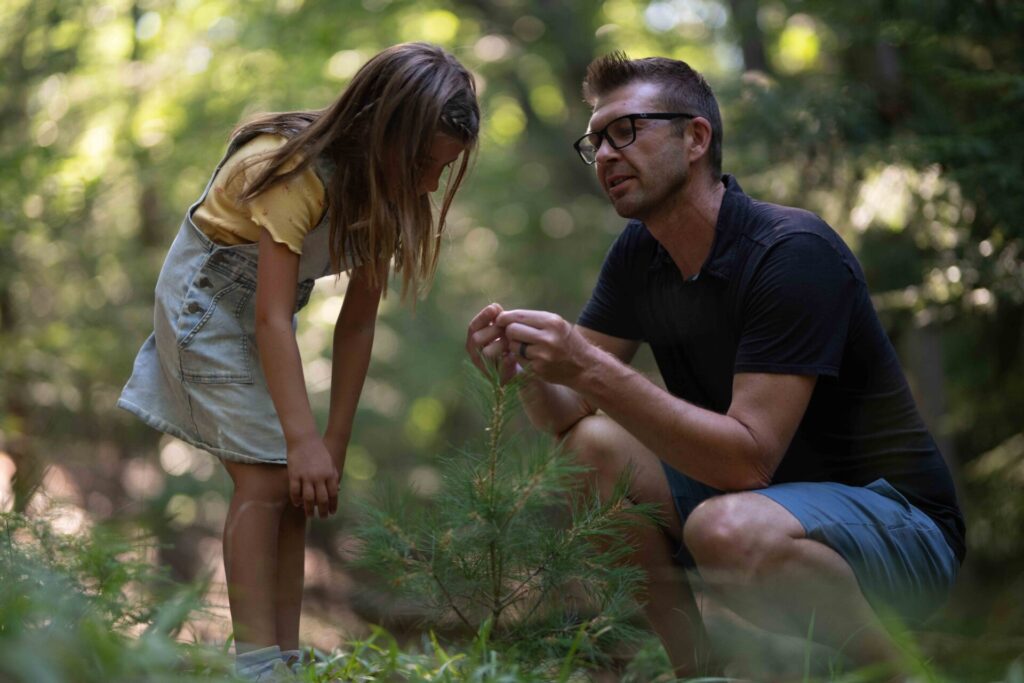
For Christians, creation care matters because the gospel is not just about saving souls from the world, but about God’s commitment to heal and renew the world. Scripture is clear: creation itself groans for redemption (Romans 8). Jesus’ resurrection is not an escape from the material world, but the beginning of its restoration. When Christ declares He is making “all things new,” that includes soil, systems, bodies, neighborhoods, and relationships.
Creation care, then, is not a distraction from evangelism—it’s a foretaste of the New Heavens and New Earth. It makes the gospel visible and tangible. When Christians show up as people who love the places they live, protect what is fragile, and seek the flourishing of future generations, we bear witness to a God who has not abandoned creation, but is deeply invested in its healing.
This is why creation care resonates so deeply with our neighbors. Even those who are skeptical of church or climate science nevertheless care deeply about clean water, healthy food, safe places for kids to play, and a future worth passing on. When Christians engage creation care with humility and joy, we are speaking a language our neighbors already understand—one that opens space for deeper conversations about the God who loves the world so much that He entered it, died for it, and is restoring it.
Creation care matters because it aligns our lives with the full scope of the gospel—and invites our neighbors to experience that good news alongside us.
Why Creation Care Creates Common Ground
After decades of coaching leaders in missional living, we’ve found that creation care is one of the quickest ways to build the kinds of partnerships through which the gospel can travel organically.
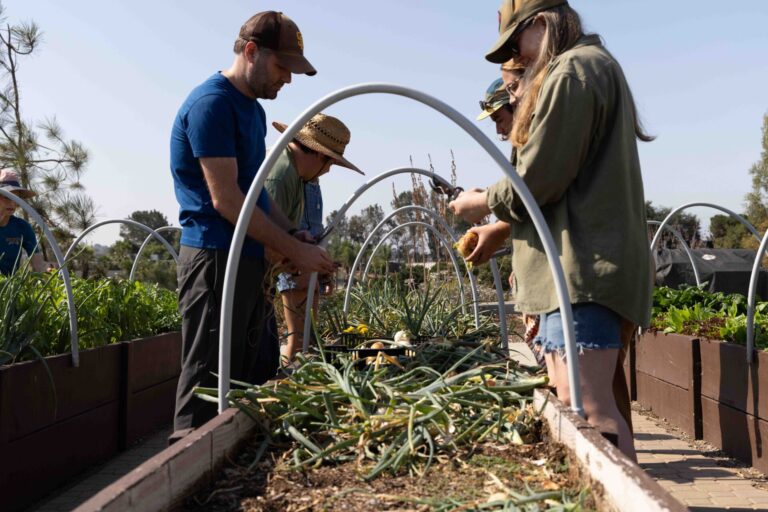
Inviting neighbors to hike, garden, clean up a riverbank, or compost doesn’t feel like bait-and-switch because it isn’t a bait-and-switch. It feels human because it’s one of the most human things we can do. It works because it taps into something almost all of your neighbors already care about: the places we live, the health of our bodies, and the future for our kids.
Your neighbors want to join in because they intuitively know that caring for creation is accessible, embodied, and holistic—good for mind, body, and spirit. Something of the image of God awakens in all humans when we behold a sunset or a newly formed leaf. That sense of awe primes a desire for God that is difficult to replicate through other means. And as you engage your neighbors in creation care, you’ll find the exhausting us/them divide begins to disappear through genuine partnership.
What Partnership Looks Like in Real Life
That’s why, when we were starting what would become our first Tend group, we decided to try something simple. We knocked on doors and asked our neighbors:
“Do you compost?”
They all said No.
“Would you be willing to save your food scraps in this bucket each week so together we can turn them into compost?”
Yes, it felt weird.
Yes, it felt crunchy-granola.
But every single neighbor said yes.
Not because they wanted to join our church.
Not because they were environmental activists.
But because we asked for their partnership in something that felt good to them.
Soon, we weren’t just collecting banana peels. We were learning names, hearing stories, and praying on doorsteps. Trust grew slowly, over months—not through clever arguments, but through presence.
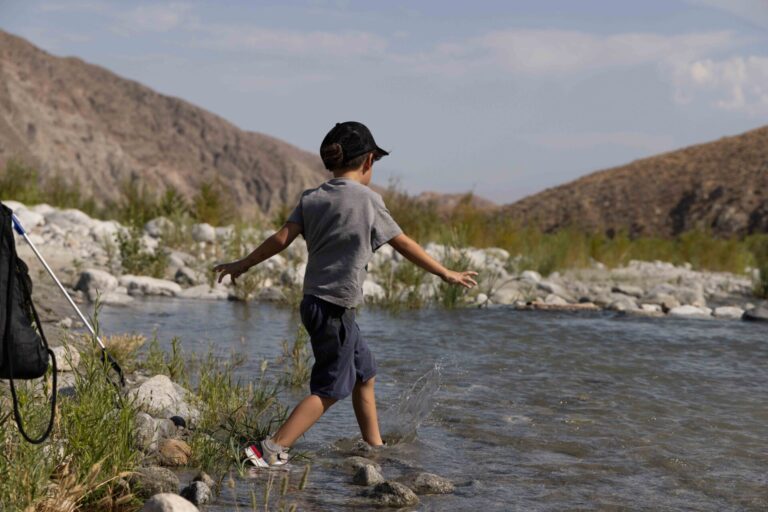
We also invited neighbors to join us for a hike. Seventeen people showed up—kids, babies, everyone—just walking together in God’s good creation. Compared to trying to get people to attend a church service or an “outreach event,” it felt shockingly natural. This is what we mean by organic outreach: relationships where the gospel has room to travel.
When the Gospel Is Experienced, Not Just Explained
One day, a neighbor named Carlos asked us, “So… what is this group, exactly?”
We told him, “We gather every week to eat together, pray for each other, read Scripture, and do things like this in our neighborhood.”
He paused. Then said, “I wish my family could be part of a community like that.”
So we invited him—along with his wife and daughter. Honestly, I didn’t expect much to come of it. But the next week, they just… came.
As we opened the Gospel of John, it slowly dawned on us: they were hearing the story of Jesus for the first time in their lives.
Weeks later, Carlos read John 3:16 out loud:
“For God so loved the world…”
He stopped. Looked up.
“So… God already loved us? Even before we were part of this group?”
“Yes,” we said. “We didn’t invite you because we were judging you. We invited you because we already saw God’s love at work in you.”
Something clicked.
Carlos’ entire family now follows Jesus. And the story didn’t stop there. He’s since started a composting hub in his own neighborhood—inviting his unchurched friends to participate in God’s healing work.
The Shift That Changes Everything
Creation care as a spiritual practice helps us move:
From neighbors as projects:
“I’m here to evangelize you so you’ll join my church…”
To neighbors as partners:
“We’re here to join God’s restoration together—and we’ll introduce you to Jesus along the way.”
This shift matters because it honors neighbors as contributors, trusts the Holy Spirit is already at work outside church walls, builds trust on the way to belief, and makes evangelism feel like a relationship, not a sales pitch.
What if evangelism didn’t begin with pressure—but with partnership?
Download Your Earthcare Activity Guide
Tend is more than a Bible study. Each Earthcare Activity guide is designed to help you practice this kind of partnership with your neighbors—creating shared space where faith can grow naturally.
If you’re ready to drop the pressure to “sell” Jesus, download your Earthcare Activity guide today and start building relationships where neighbors can discover the gospel.