
The short answer is yes, kids will ruin your bible study… in the best of ways. Kids need dedicated spaces built for where they are developmentally, but they also need to be discipled alongside adults, and most churches have kept the first while losing the second. Tend is built to hold onto both, with kids intentionally kept at the center of discipleship instead of the margins.
Two Churches, One Sunday
When I was in high school, I was the pastor’s kid at a church with a children’s ministry that could win awards.
Volunteers had built an age-specific curriculum for every grade. The classrooms had games and videos and questions designed for exactly the kids sitting in them. It was excellent. Kids need spaces built for exactly where they are developmentally, and a church that does that well is doing something valuable to nurture faith in young people.
When I reached my senior year of high school, most Sunday afternoons after attending worship at our church, I’d head to a charismatic house church with my girlfriend.
It was the opposite of a well-oiled machine. The living room was loud. Everyone had a guitar or a shaker or a tambourine or a coffee. Little kids wandered through the middle of it with half eaten muffins spilling crumbs on the floor as they danced and sometimes cried.
When it came time to share, the pastor would ask if anyone had a verse or a testimony, and everyone, even kids, would open their Bibles right alongside the adults and read to the group what they’d found. The whole room listened.
Both churches were doing something good. But here’s the part that took me years to notice: while not every church does children’s ministry as well as ours did, that model has become the trend, and incorporating children is now more rare. Many churches have gotten very good at building age-specific spaces for kids. Very few have intentionally designed spaces where kids and adults read Scripture together as equals.
It’s not that anyone decided intergenerational discipleship wasn’t worth it. It’s that it’s genuinely uncomfortable. Take your goldfish and go somewhere else and be quiet while the adults talk please!
Honestly, it’s just easier to send them somewhere else. So most of us did, almost by default, and I worry that we lost something in the process without quite noticing it was gone.
Let the Little Children Interrupt
Jesus’s disciples once tried to keep children away from him so the adults could keep talking uninterrupted, and He rebuked them for it. “Let the little children come to me and do not hinder them.”
The Shema assumes the same thing. It says to teach children diligently, when you sit at home and when you walk on the road. Scripture gets passed down from generation to generation.
The psalmist pictures the same thing happening in worship itself. Psalm 148 calls the whole congregation to praise together, naming old men and children in the very same breath as young men and women. The Bible paints a picture of generations being formed in faith standing shoulder to shoulder.
What the Research Says About Faith That Sticks
And it turns out, this wisdom holds true today. Kara Powell and Chap Clark at the Fuller Youth Institute followed roughly 500 youth group graduates into college, testing thirteen different variables churches typically offer teenagers: small groups, service projects, retreats, student leadership. Out of all of them, one stood out as the strongest predictor of faith that lasted: intergenerational relationships and worship. Not better curriculum. Not louder music. Just young people of faith and older people of faith, actually knowing each other, in the same room.
Kids don’t just need information about faith delivered at their level. They need to know they belong to something bigger than the kids’ room. The stakes are real too. Depending on the study, somewhere between 40 and 50 percent of kids who graduate from a youth group drift from their faith in college. Good programming alone hasn’t closed that gap. But when young people have older mentors in faith, their likelihood of keeping their faith into adulthood triples.
Five Chairs, One Passage
A few months ago, my own Tend group did what we always do: we read the Scripture as a whole group and then broke out into smaller groups for discussion, three or four people per group. This time, I landed in a discussion group with my 11 year old daughter, a 17 year old student, a young man a few months into his faith, and a widow who’s been following Jesus longer than I’ve been alive. Five very different people, all hearing the Scripture slightly differently.
My daughter asked a question I never would have thought to ask. The new believer read the passage with a kind of wonder the rest of us had lost somewhere along the way. The widow connected it to something from decades ago that reframed the whole thing for me. They were just reading and responding honestly, and by the end of it my own understanding of the passage had grown in a way it never does when I read alone, or even in a group of people just my own age.
Kids Are Not The Future Of The Church
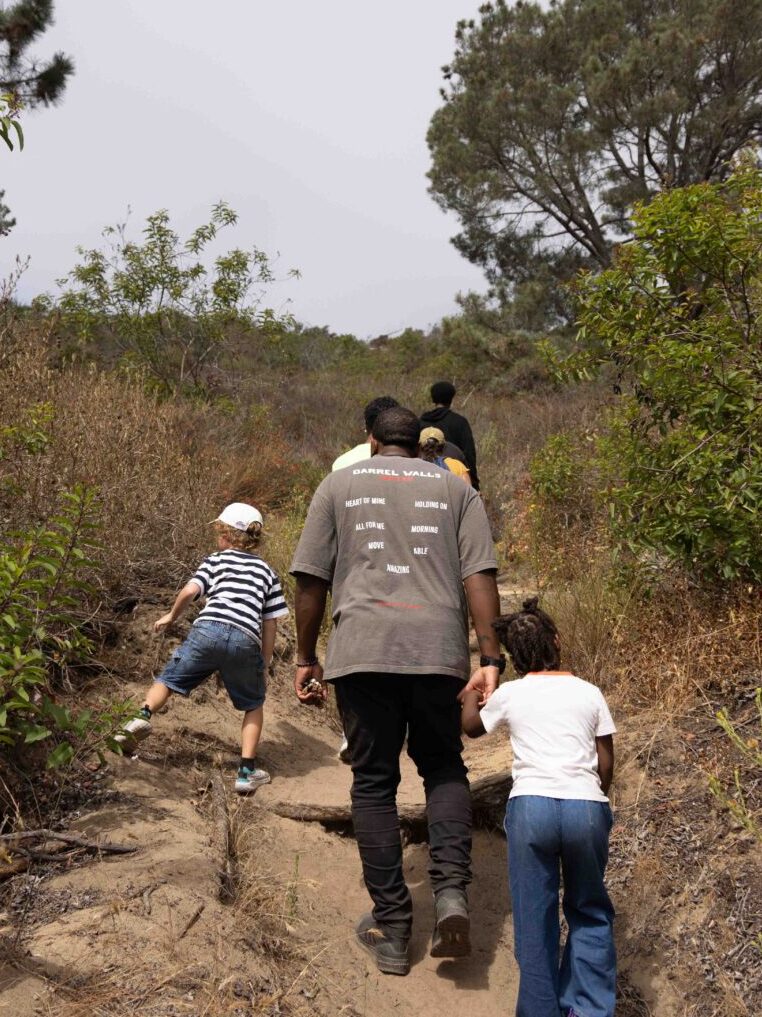
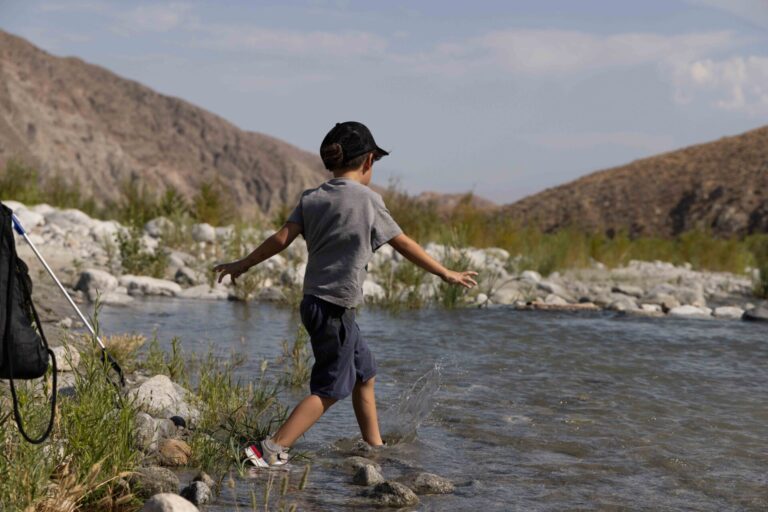
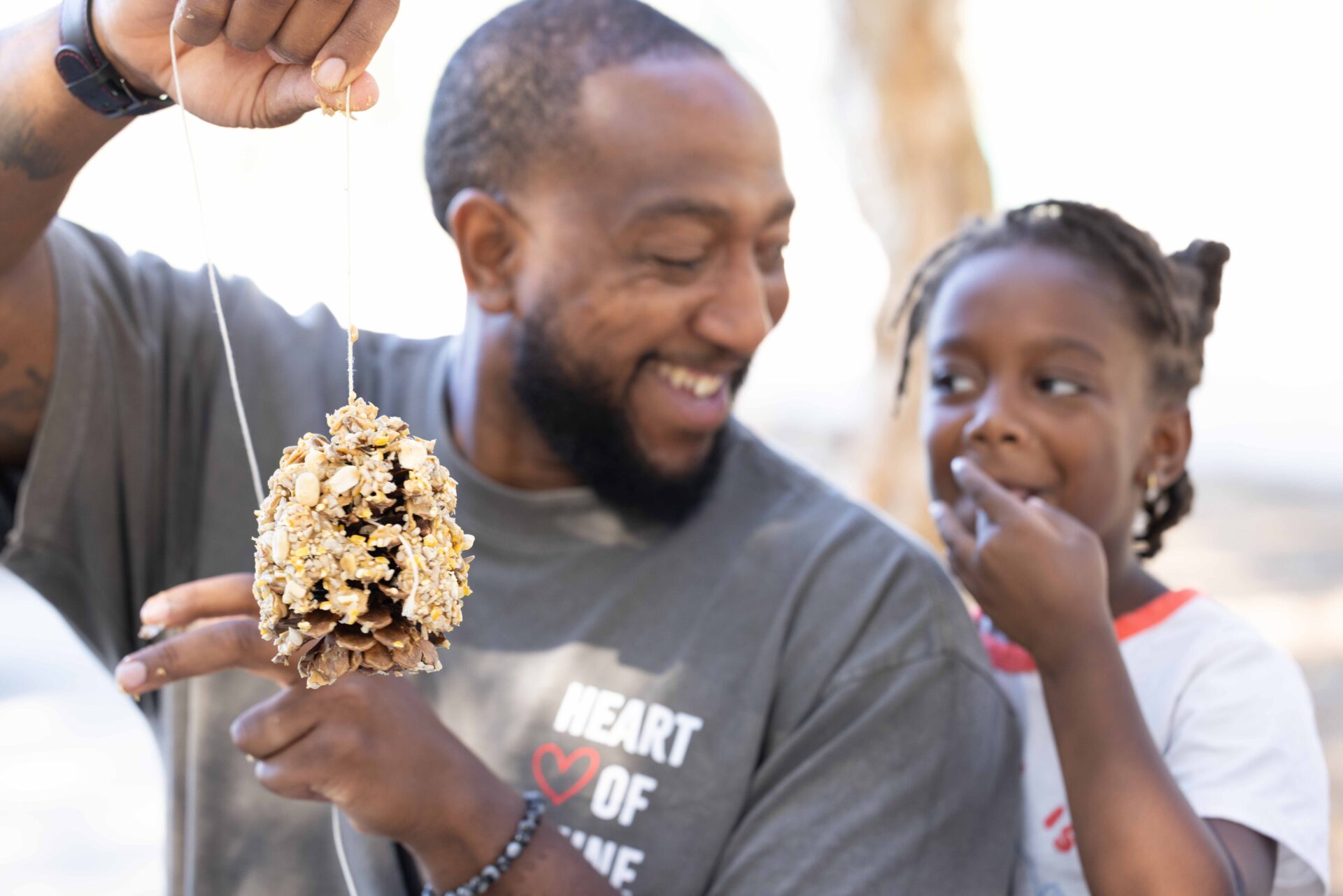
Tend groups are built for intergenerational spiritual formation. It happens around tables, in living rooms, on the trail, or at the park as we open Scripture together and ask questions. We don’t just read the scripture as a large group. We help kids stay engaged by breaking into smaller groups where everyone can ask their questions and not feel like they’re interrupting someone else.
That kind of modularity is by design. Kids engage differently depending on whether their hands and bodies are involved. We lean on sensorial discussion methods, and we keep kids at the center of the room instead of the edge of it. It’s honestly best for all of us. Because as one pastor used to tell me, “there is no miniature Holy Spirit.” The Holy Spirit indwells the church, including the kids.
Kids are not the future of the church, they are the church.
They are actual participants whose question about the passage might be the ones that reframe it for everyone else, the way my daughter’s did.
You Don’t Need Kids for This to Be For You
If you don’t have kids, or your kids are grown, or you’ve never wanted kids, you’re part of this discussion too. Tend works fully as designed with a group of entirely adults, gathered around a meal or a hike or a garden bed, reading Scripture and asking each other real questions. That’s the whole model, with or without a child in the room.
But if your group does include a family or two, Tend is built to welcome them into the middle of the conversation rather than sending them off to a separate table. Incorporating kids that are not your own is a way that you can intentionally introduce some holy discomfort into your life. It might be one of the more formative things that happens to your own faith all year.
FAQ
Won’t kids make it hard to actually get through the Bible study material? Probably, some weeks. But getting through the material was never really the goal. Reading it together, across ages, was.
What age range works best for a Tend discussion group? There’s no ideal age. The mix is the point. A tween, a teenager, a new believer, and a widow in the same small group is a feature, not a compromise.
What if a kid doesn’t say much or doesn’t seem engaged? That’s fine. Presence matters more than participation. Plenty of kids just watch for a long time before they ever speak up, and it still shapes them.
Do I need training to lead a group that includes kids? No. You need attentiveness and a willingness to let the conversation bend toward whoever’s speaking, kid or adult.
Is Tend only for families with kids? Not at all. Plenty of Tend groups have no children in them, and that’s a complete and good expression of the model too.
How do we keep kids safe? Keeping kids at the center of the group isn’t just an ecclesiological preference, it’s also one of the simplest ways to keep them safe. When children are visible and woven into the shared space rather than tucked away in a separate room with an adult they don’t know well, everyone can relax. Nobody’s wandering off into a private corner. Everyone is present, together and right where they need to be for healthy development.