
A pilgrimage walk is often imagined as a journey somewhere far away, but what if it has always been meant to begin right where you are?
For many pastors and Christian leaders, the word pilgrimage carries images of distant places, historic routes, and once-in-a-lifetime spiritual experiences. It feels meaningful but also inaccessible. Something for a sabbatical season, not for the rhythm of everyday ministry. Something reserved for a few, not a practice that shapes a whole community over time.
Yet when pilgrimage disappears from our lived experience, something subtle begins to fade. Our faith can become abstract. Our place can begin to feel like something we manage rather than something that belongs to God. Our bodies, our neighborhoods, and our shared life lose connection to the larger story God is telling.
What if the invitation is not to travel farther but to notice more? What if a pilgrimage walk is not defined by distance but by formation?
Why the Church Needs a Pilgrimage Walk Again
When pilgrimage is reduced to a rare or distant event, we lose a regular way of being shaped. Without it, our spiritual lives can become centered on ideas rather than embodied practices. We may still preach, teach, and gather, but we begin to drift from the grounded experience of walking with God in real places.
A pilgrimage walk creates space to remember that we are not just thinkers or believers. We are people who move, who notice, who inhabit places. We are people formed over time through repeated practices.
Without pilgrimage, it becomes easy to assume that our neighborhoods exist primarily for our use. We organize, plan, and program as if the place belongs to us. But Scripture consistently reminds us that the land, the city, and the community belong first to God. We are participants, not owners.
When a church rediscovers a rhythm of pilgrimage, even in simple ways, it begins to reorient. People start to see their streets differently. They begin to notice what God is already doing. They rediscover humility, curiosity, and dependence.
A pilgrimage walk, practiced regularly, becomes a quiet way of returning to center.
What Is a Pilgrimage Walk, Really?
A pilgrimage walk is not defined by distance or difficulty. It is a way of moving through a place with attention, intention, and openness to God’s presence.
It is slow enough to notice what is often overlooked. It is shared enough to form relationships. It is repeated enough to shape memory.
In many ways, a pilgrimage walk is less about arriving somewhere new and more about becoming someone new along the way.
This kind of practice is deeply accessible. It does not require travel budgets, special training, or perfect conditions. It simply requires a willingness to walk, to pay attention, and to do so together.
For pastors and leaders, this can feel almost too simple. But simplicity is part of the invitation. Formation rarely comes through complexity. It comes through practices that can be returned to again and again.
Pilgrimage Walk in Scripture: Formation Over Time
Scripture is full of movement. Not rushed or frantic movement but purposeful journeys that form people over time. These are not side stories. They are central to how God shapes identity.
Consider Abraham. He is called to leave what is familiar and step into a journey without a clear destination. The movement itself becomes the place of formation. Trust is not learned in theory. It is learned step by step, over time, as Abraham follows where God is already leading.
Israel’s story continues this pattern. Their years in the wilderness are not simply a delay or a detour. They are a formative pilgrimage. In the wilderness, Israel learns dependence, memory, and identity. They discover that God is present not only in promised destinations but also in daily provision. The journey becomes the place where they are shaped into a people.
Then we see Jesus, whose ministry is marked by movement between places. He walks from village to village, along roads, through fields, across regions. He meets people along the way. He teaches while walking. He forms his disciples not just through words but also through shared journeys.
In each of these stories, God is not waiting at the destination alone. God is already present along the way. The invitation is to follow, to notice, and to be formed.
This is the heart of pilgrimage. Not reaching a sacred place but recognizing that God is already present in every place and inviting us to walk with him there.
How Walking Together Forms Community
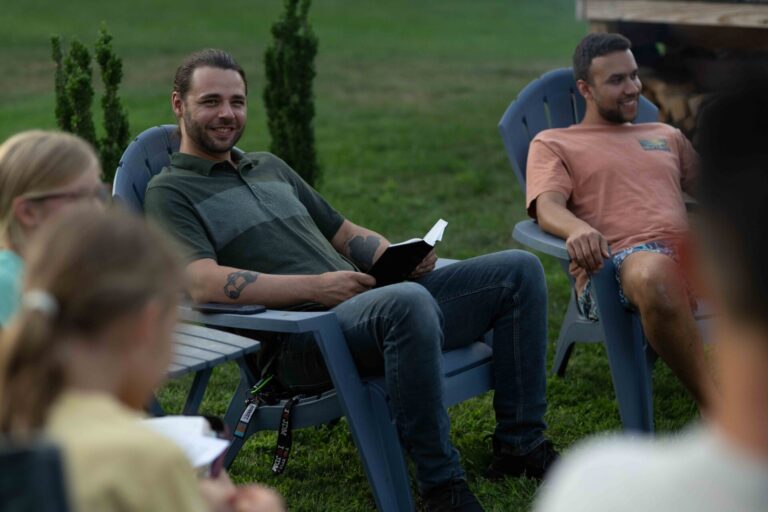
One of the most overlooked aspects of a pilgrimage walk is its communal nature. While personal reflection matters, pilgrimage in Scripture is often shared.
When people walk together, something unique happens. Conversations unfold naturally. Silence becomes shared rather than awkward. People begin to notice the same things and wonder together about what they see.
Over time, these shared experiences create memory. A particular tree, a familiar path, a recurring stop becomes part of the group’s story. These are not just locations. They become markers of formation.
Walking together also lowers barriers. It is easier for neighbors to join a walk than a formal gathering. It feels accessible, open, and human. In this way, a pilgrimage walk becomes a bridge between church life and everyday life.
For leaders, this matters deeply. Many are looking for ways to help their communities move from passive participation to shared life. A simple, repeatable practice like walking together can quietly create that shift.
It is not about adding another program. It is about creating space for people to be formed together in ways that feel natural and sustainable.
Pilgrimage Walk and the Recovery of Place
When we lose the practice of pilgrimage, we often lose our connection to place. Our neighborhoods become backdrops rather than part of God’s story.
A pilgrimage walk restores that connection. It invites people to see their surroundings with fresh eyes. To notice beauty, brokenness, and possibility. To ask where God might already be at work.
This shift changes how people relate to their community. Instead of asking what they can build or fix, they begin to ask what they can join. Instead of seeing neighbors as projects, they begin to see them as partners.
This posture aligns deeply with the way God works. Throughout Scripture, God is already present, already active, already moving. The invitation is to participate.
As this awareness grows, people begin to experience their place differently. It no longer feels like something they own or control. It becomes something they are part of, something they care for, something they share with God and others.
Practicing a Pilgrimage Walk Through Sacred Hikes
This is where the idea of Sacred Hikes comes into focus. A Sacred Hike is a simple, repeatable way of practicing a pilgrimage walk in your own context.
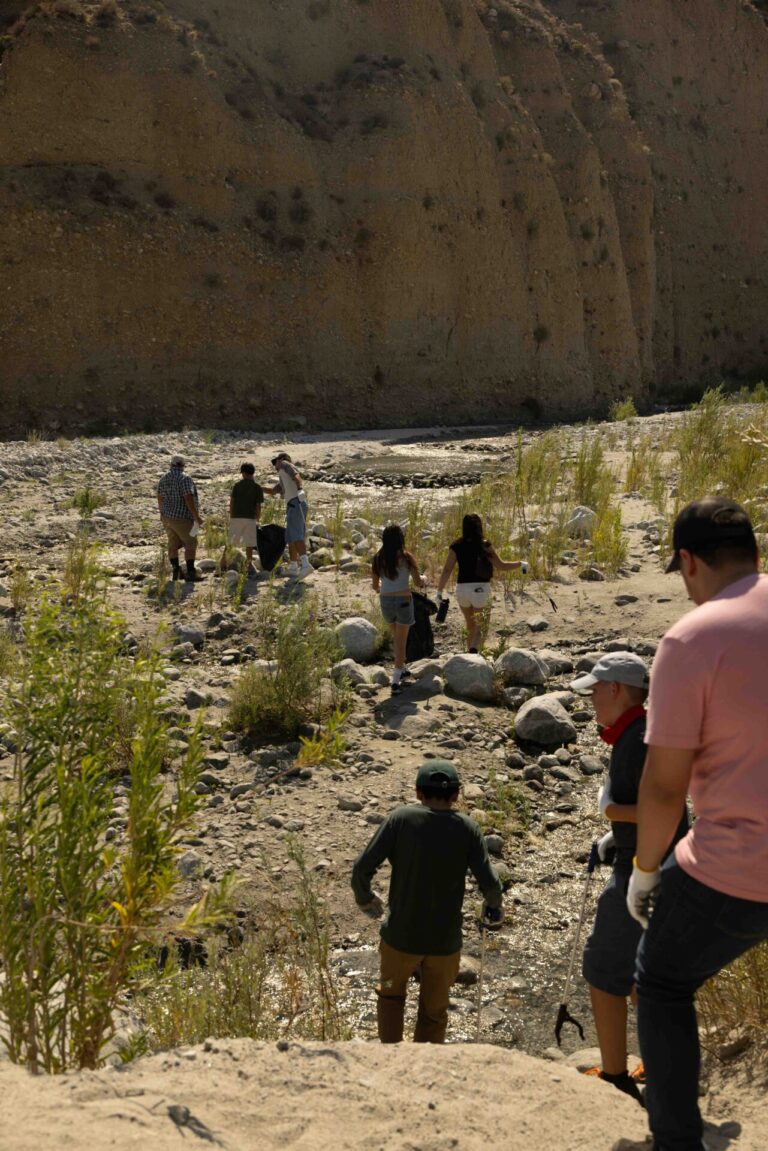
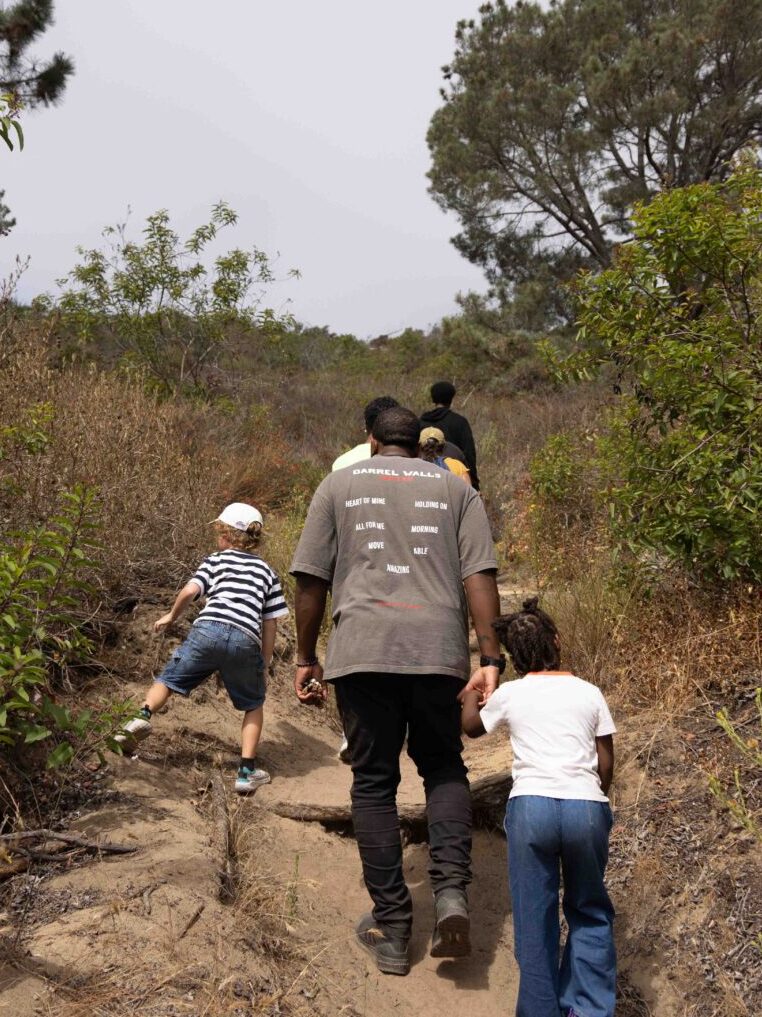
Rather than traveling far, a group chooses a local route. It might be a park, a neighborhood path, or a familiar trail. The goal is not to explore new territory but to return to the same place over time.
This repetition matters. As people walk the same path again and again, they begin to notice what changes and what remains. They build familiarity, memory, and connection.
Within Tend, an initiative of Plant With Purpose, Sacred Hikes are one of several Earthcare Activities that help churches live out their faith in tangible ways. These practices are designed to be simple, relational, and grounded in everyday life.
A Sacred Hike is not a performance or an event. It is a shared rhythm. A way of gathering, walking, noticing, and reflecting together. A way of joining Jesus in what he is already doing in a particular place.
Because it is simple, it is sustainable. Because it is shared, it is formative. Because it is rooted in place, it is meaningful.
Pilgrimage Walk as a Way of Life
For many leaders, the question is not whether pilgrimage matters but whether it can realistically become part of everyday ministry.
The answer is yes, but it requires a shift in how we think about formation. Instead of adding more content or more complexity, we return to simple practices that can be repeated.
A pilgrimage walk does not need to be impressive. It needs to be consistent. Over time, the practice itself begins to shape people.
They begin to expect that God is present in their neighborhood. They begin to see their lives as part of a larger story. They begin to carry a sense of attentiveness into other areas of life.
This kind of formation is slow, but it is deep. It does not rely on intensity or novelty. It grows through rhythm and repetition.
And importantly, it can involve others. Neighbors, friends, and people who might never attend a traditional church gathering can join a walk. They can experience community and presence without pressure.
This is part of what makes a pilgrimage walk so powerful. It is both deeply spiritual and naturally accessible.
A Gentle Invitation to Begin
If pilgrimage has felt distant or out of reach, it may be worth asking a different question. What would it look like to practice a pilgrimage walk right where you are?
Not as a one-time event, but as a simple rhythm. Not as something to master, but as something to return to.
Through Tend, Plant With Purpose offers a way for churches to explore practices like Sacred Hikes within a broader rhythm of gathering, Scripture, and shared Earthcare Activities. These practices are designed to fit real life and to help communities grow together over time.
You do not need to travel far to begin. You do not need to have everything figured out. You can start with a small group, a familiar path, and a willingness to notice.
If you are curious, you can explore the Sacred Hike Earthcare Activity within Tend for free and consider how it might become a simple way for your community to practice a pilgrimage walk together, right in your own neighborhood.