When Kristen Truby first encountered Tend, she saw more than a curriculum.
Kristen is a Tend group leader at Light & Life Christian Fellowship in Long Beach, California. She’s also a former missionary to Australia, a long-time discipler, and someone who naturally asks, “How does our faith show up in real life?” When she looked at the neighborhood surrounding her church—especially the low-income block just beyond the property line—she wondered what it might look like to be practicing faith with neighbors, not just for them.
That question became the heart of her Tend group.
A Small, Diverse Group
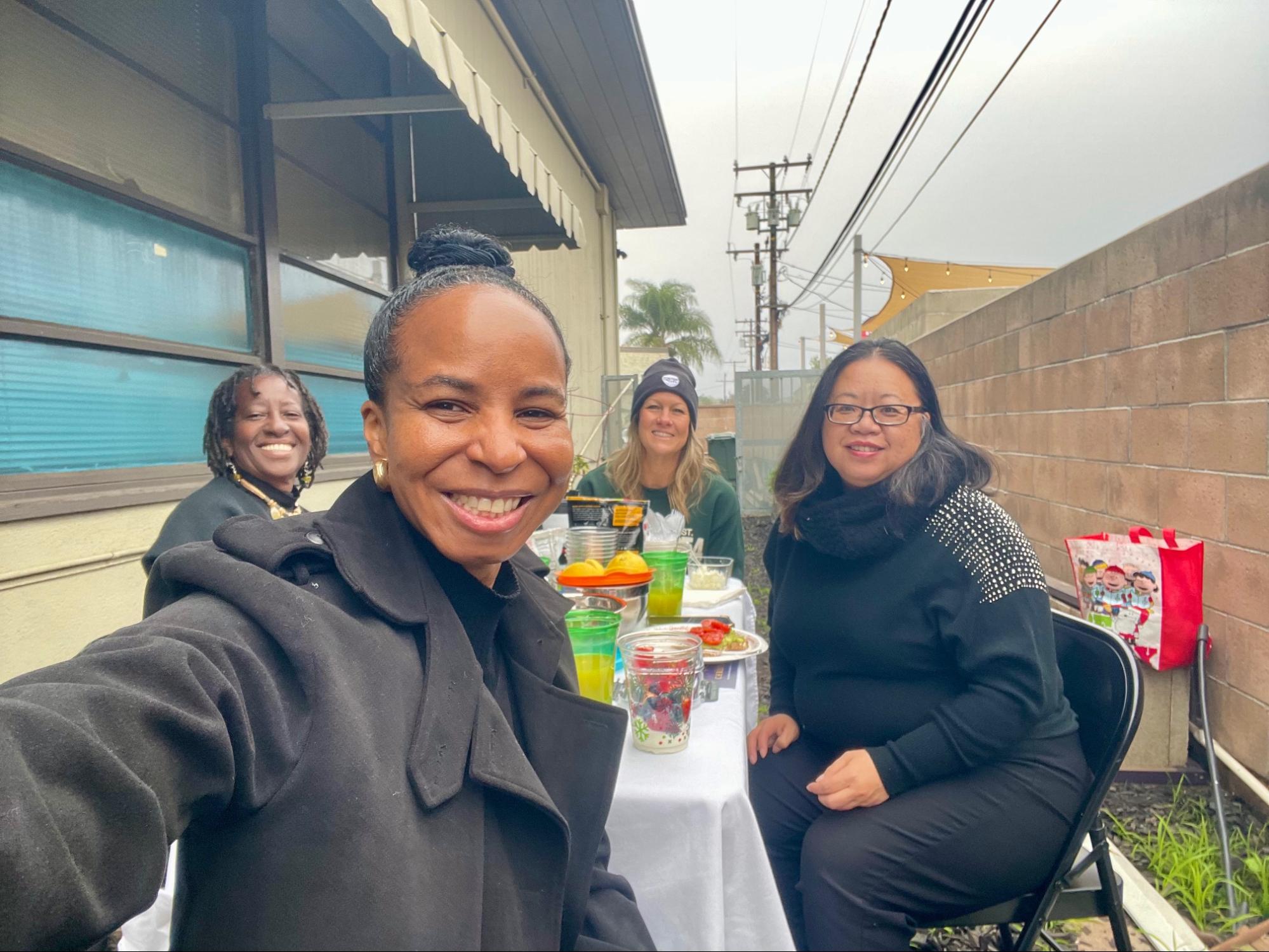
Kristen’s group was small—just four people—but richly diverse. Different ethnic backgrounds. Different stages of life. A foster parent. Someone walking through the grief. Older adults and younger adults. A mix of stories, responsibilities, and energy levels.
The neighborhood reflected that same complexity. Light & Life sits in a mixed area, where low-income housing exists right alongside upper–middle-class homes. That reality shaped how the group thought about hospitality, access, and belonging from the very beginning.
When Kristen first invited one woman to join the group, she was hesitant. Unsure. A little closed off. Over time, something shifted.
“She’s been saying how thankful she is to be able to connect and have relationships,” Kristen shared. “She was closed off, but now she’s opened up.”
The group began to gel into a spiritual community, sharing life together. For example, Kristen had bought too many vegetables for Thanksgiving and called to see if this woman wanted some. The response came quickly: “Those were the exact vegetables I needed!”
Studying Scripture Around the Table
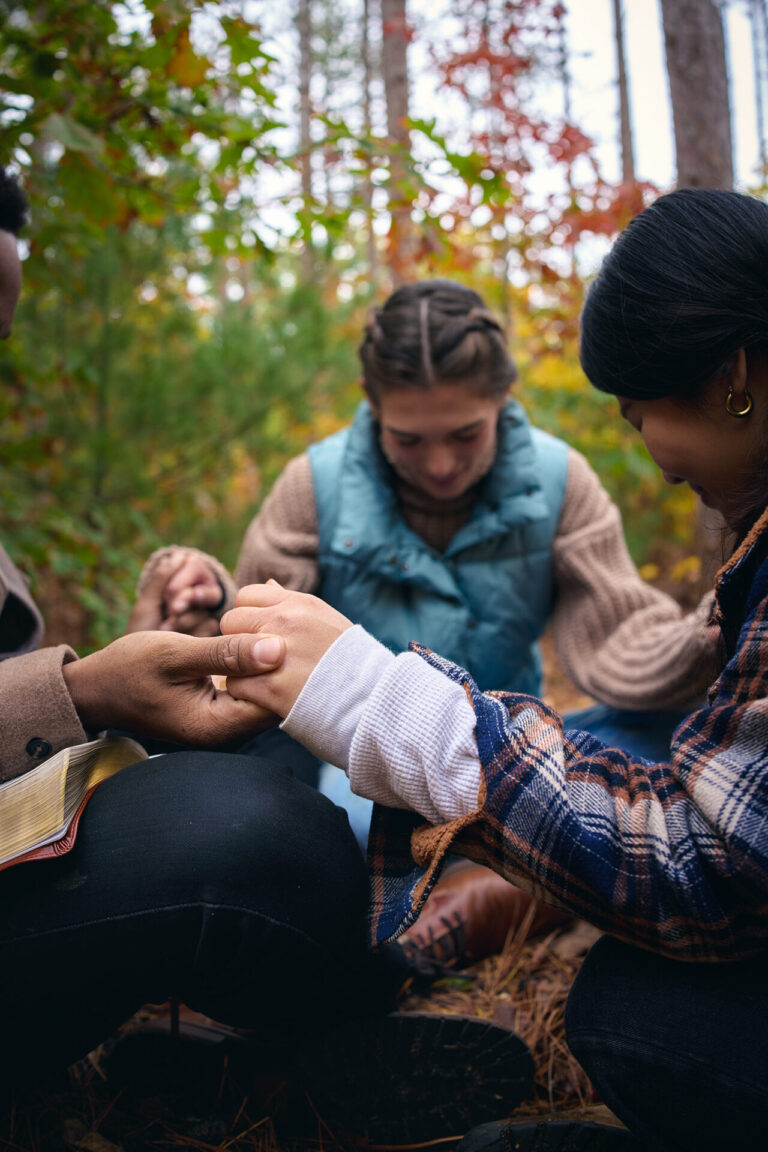
During their Dinner & Prayer nights, the group walked through Tend the Garden, exploring four gardens in Scripture together. Kristen adapted the discussion questions to fit her context and sent them to group members ahead of time so they could come prepared.
That simple adjustment made a big difference. It gave people time to reflect, lowered anxiety, and helped quieter members find their voice. When Kristen shared her adapted questions with us, we realized they could help other leaders too. As a result, we began adjusting the curriculum to make it easier for leaders to share lesson synopses in advance.
This kind of feedback is crucial to the Tend group leader community that is forming: leaders shaping the resource even as the resource shapes them.
Meals were simple and shared. Everyone signed up to bring something. Often, the food came straight from gardens—sometimes their own, sometimes the church’s. Homegrown oranges became orange juice. Vegetables became shared meals. The table felt ordinary and sacred at the same time.
Making Space for Kids—and Real Life
One thing Kristen was especially clear about: next time, she wants to involve more kids.
“In the mission field in Australia, there was never a time where kids weren’t allowed,” she said. “Kids aren’t an interruption.”
That posture matters to Kristen. She noticed that many parents didn’t want to come because they were worried that their kids would need a babysitter, or that their noise would be a problem. Next time she leads her Tend group, she wants kids there to see adults pray, worship, eat, and study together. Faith shouldn’t be something that only happens after bedtime or with a babysitter lined up. Because it’s designed with kids in mind, Kristen won’t have to make heavy changes to the Tend curriculum.
Reviving a Forgotten Garden
For their Earthcare Activity, Kristen’s group chose to revitalize the church’s community garden. The garden had originally been intended to grow produce for the church’s food distribution ministry, but over time it had been somewhat forgotten.
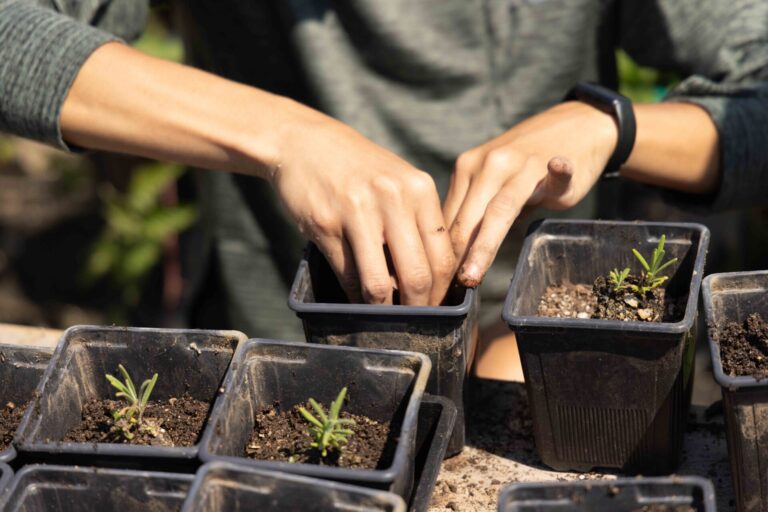
The group partnered with the garden manager and began bringing it back to life—clearing beds, planting, and working side by side. As they worked, stories came out. Pictures of home gardens were shared. Produce was exchanged. The physical work created space for conversation, laughter, and joy.
“Coming together and working, we were able to tell stories and share,” Kristen said. “It brought joy to be able to work in the garden while we were talking.”
At the same time, Kristen felt a holy discomfort. While the garden was on church property, neighbors from the adjacent block weren’t really involved yet. On a coaching call with us, she began asking deeper questions: What would it take to invite neighbors into true partnership—not just participation, but collaboration?
Fruit That’s Still Growing
Because of Kristen’s Tend group, conversations are now happening between pastors and leaders about the future of the garden. They’re asking questions like, How can this space serve our Celebrate Recovery ministry or the food distribution ministry? How could a Tend group create a place of collaboration with our neighbors down the street?
Kristen’s group is helping the church imagine the garden not as a side project, but as a shared resource—one that connects discipleship, care, and community.
At the same time, Kristen is honest about the cost.
“It’s not for everyone,” she said. “It does require you not to be too busy. It has to be a higher priority than other things.”
Leading a Tend group asks for presence. It asks for some time. It asks people to slow down enough to notice their neighbors, their food, the land, and God’s work in all of it.
Kristen embraced Tend with curiosity and enthusiasm, practicing faith grounded deeply in community. What emerged wasn’t just a revived garden, but revived relationships and new imagination for what the church could be.